Gallery B · Timeless
Classic Formal Shirts
Some designs are refined so thoroughly that they stop changing. The classic formal shirt is one of them — a white or blue shirt with a structured collar, buttoned cuffs and a clean, unhurried line.
I.
A short history of the formal shirt
For much of its life the shirt was an undergarment, mostly hidden beneath waistcoats and coats. What showed — the collar and cuffs — mattered most, which is why those parts became the focus of formality.
Nineteenth century
Stiff, starched collars, often detachable, signal a formal appearance. Shirts are frequently pulled on over the head.
Early twentieth century
Softer attached collars and fully buttoning fronts become common, making shirts easier to wear and launder.
Mid-century
The white shirt and tie become the uniform of office work; light blue gains acceptance as a business colour.
Today
The classic shirt remains the reference point that every contemporary variation is measured against.
II.
Traditional silhouettes
A traditional formal shirt is cut with ease: room through the chest, a straight body and a sleeve that allows the arm to move freely. The shoulder seam sits on the shoulder bone, and the length is generous enough to stay tucked when you sit, reach and stand.
The result is a shirt designed to work with tailoring rather than compete with it. Under a suit jacket, a traditional silhouette lies flat and quiet.
See how silhouettes compare
III.
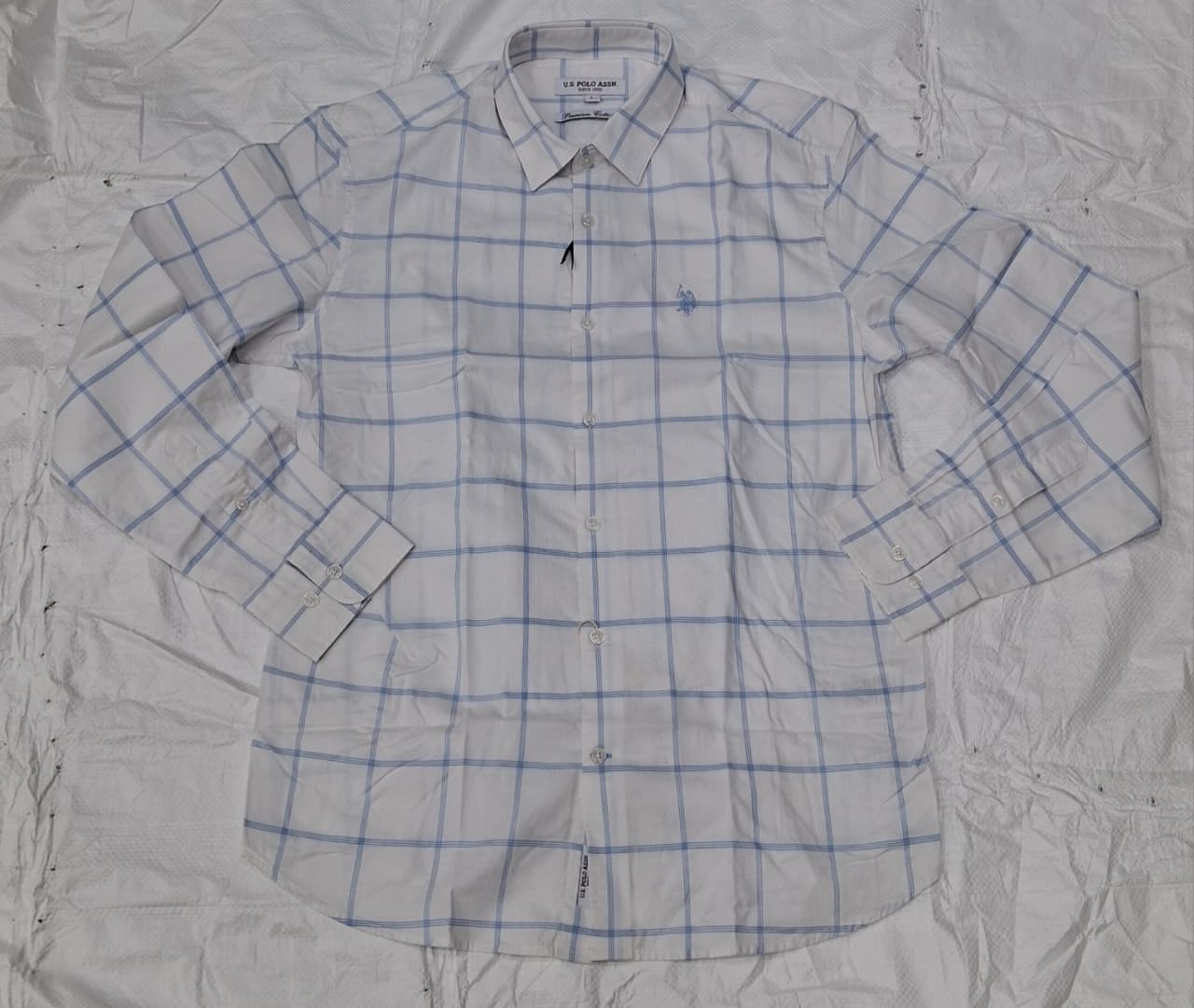
The white formal shirt
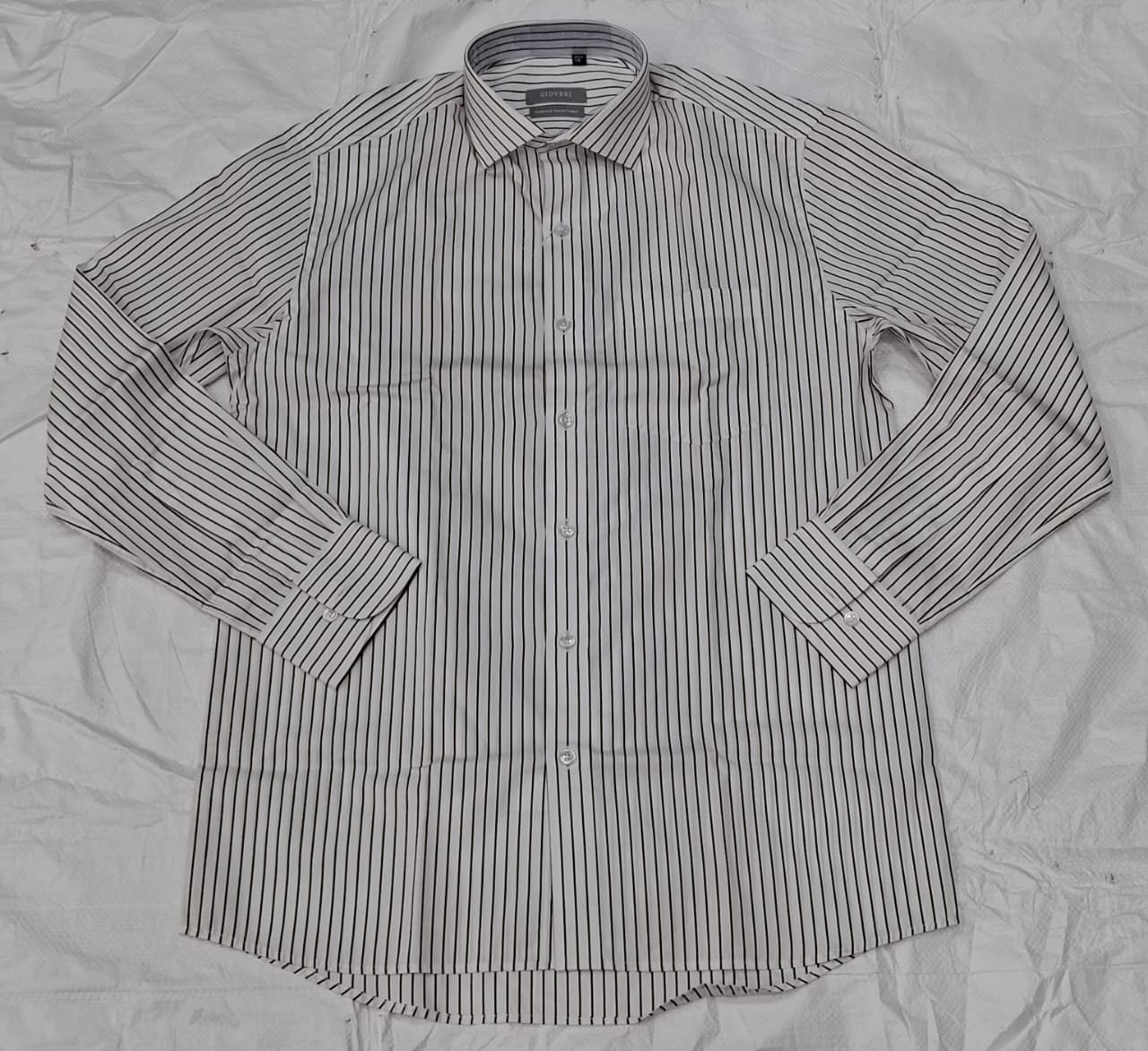
The white formal shirt is the most formal shirt a man can own — and the most adaptable. It accepts every suit colour, every tie and every pocket square. It brightens the face and photographs cleanly.
White does not have to mean plain: a delicate stripe or a faint windowpane in white cloth keeps the formality while adding quiet interest at close range.
IV.
Classic blue shirts
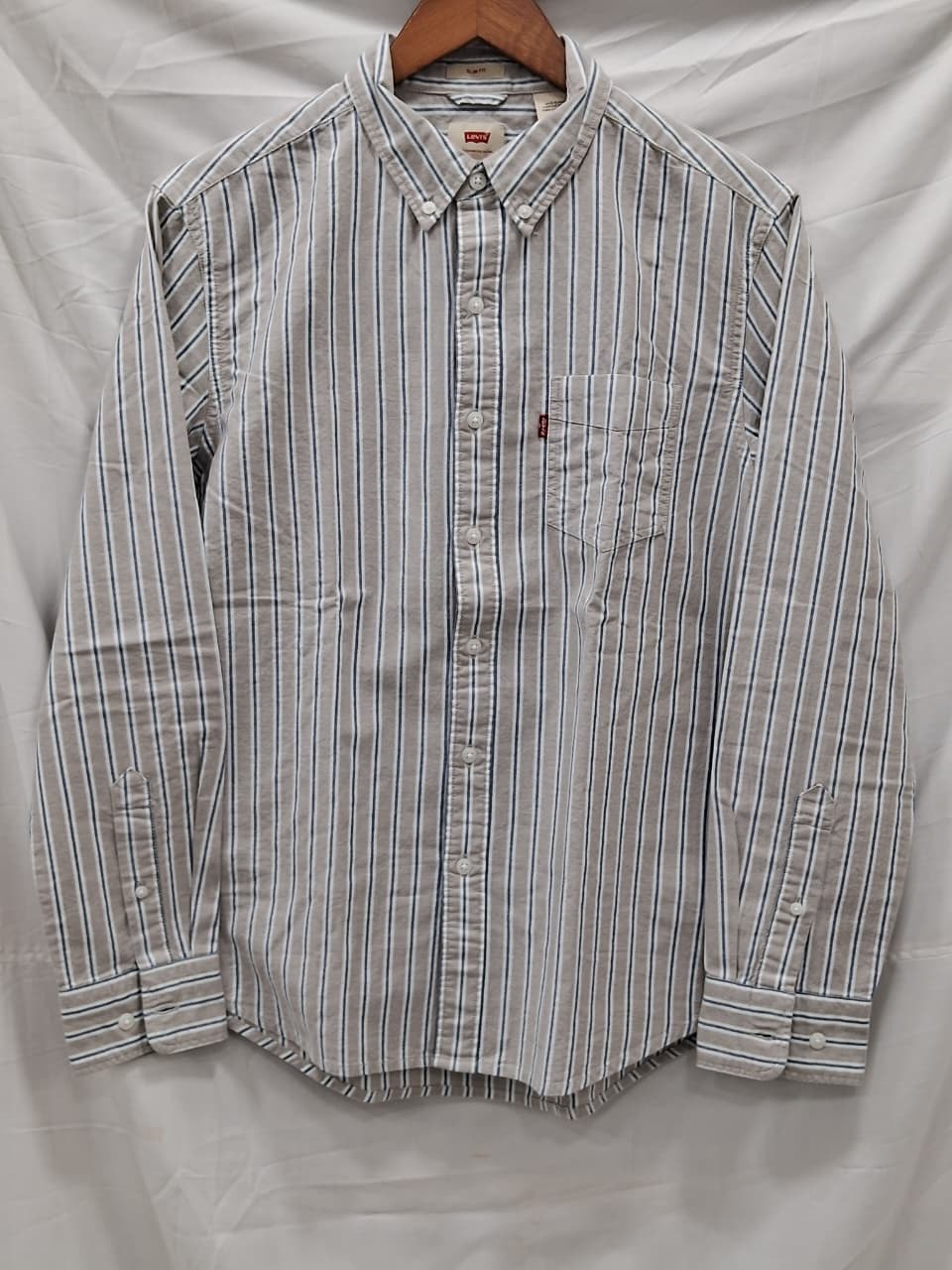
If white is the most formal shirt, blue is the most worn. Light blue softens a dark suit, suits most complexions and hides the wear of a long day better than white. Blue-and-white stripes and micro checks extend the family without leaving the classic vocabulary.
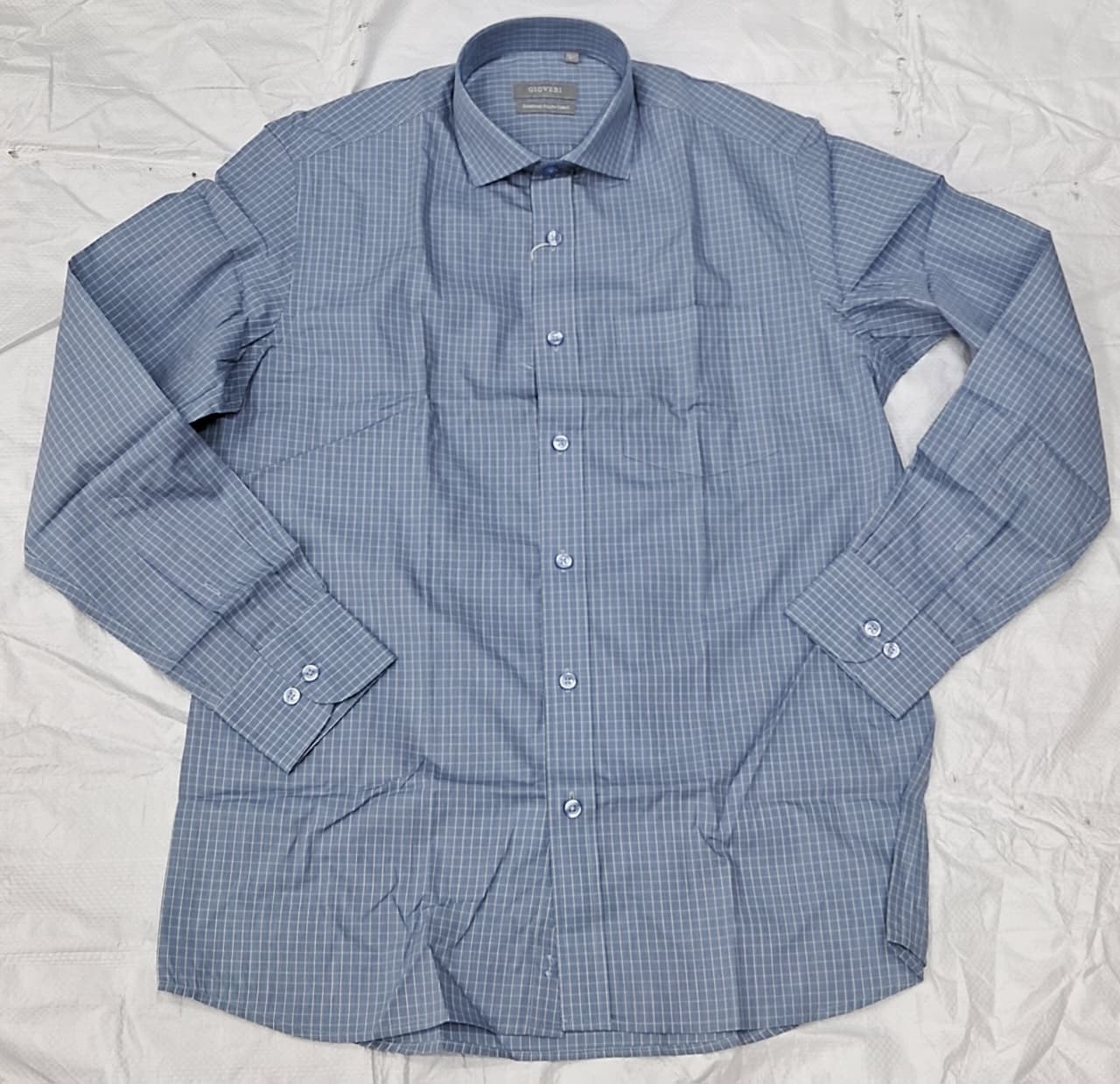
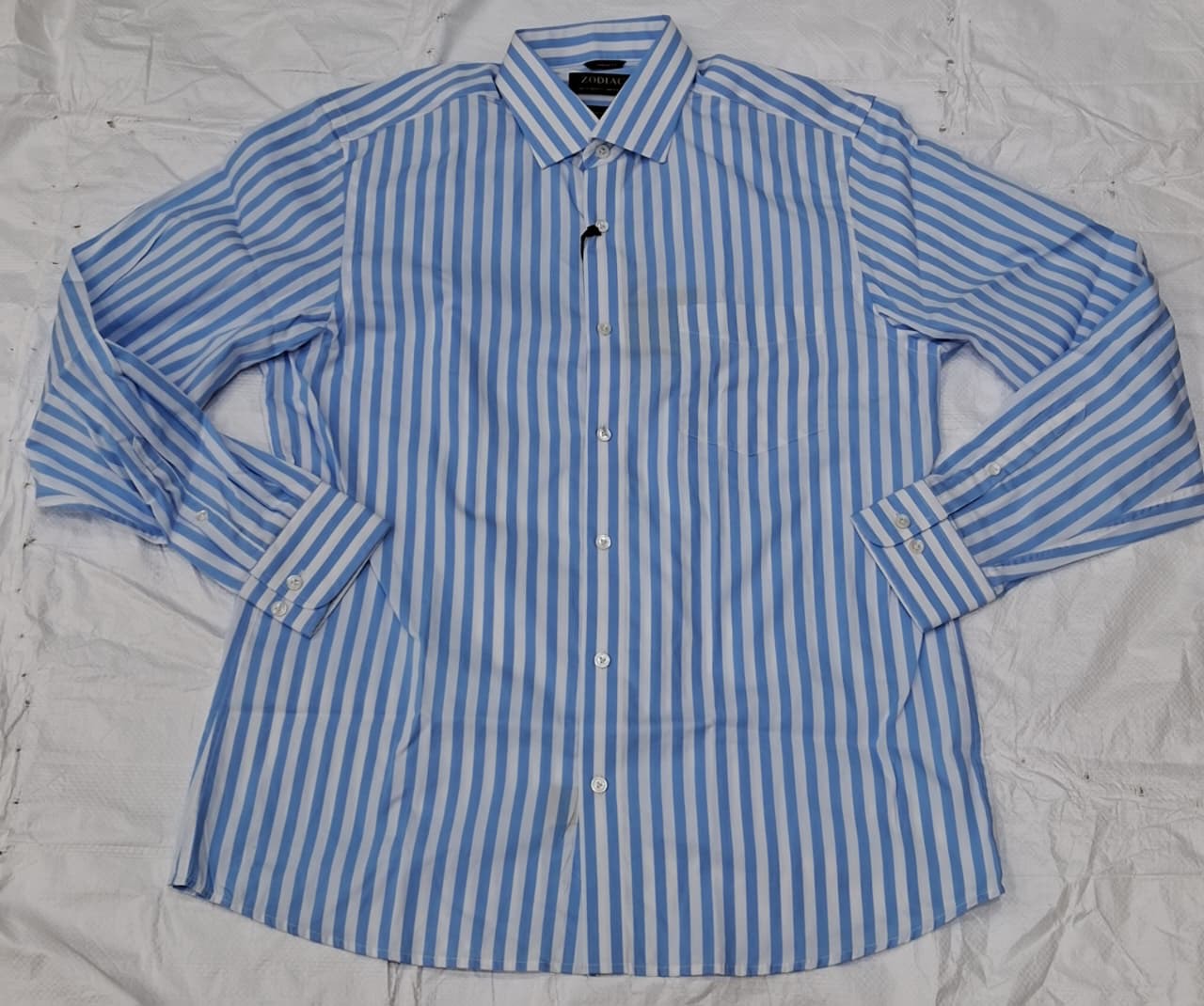
Blue & white stripe
Adds vertical rhythm while staying entirely business-appropriate.
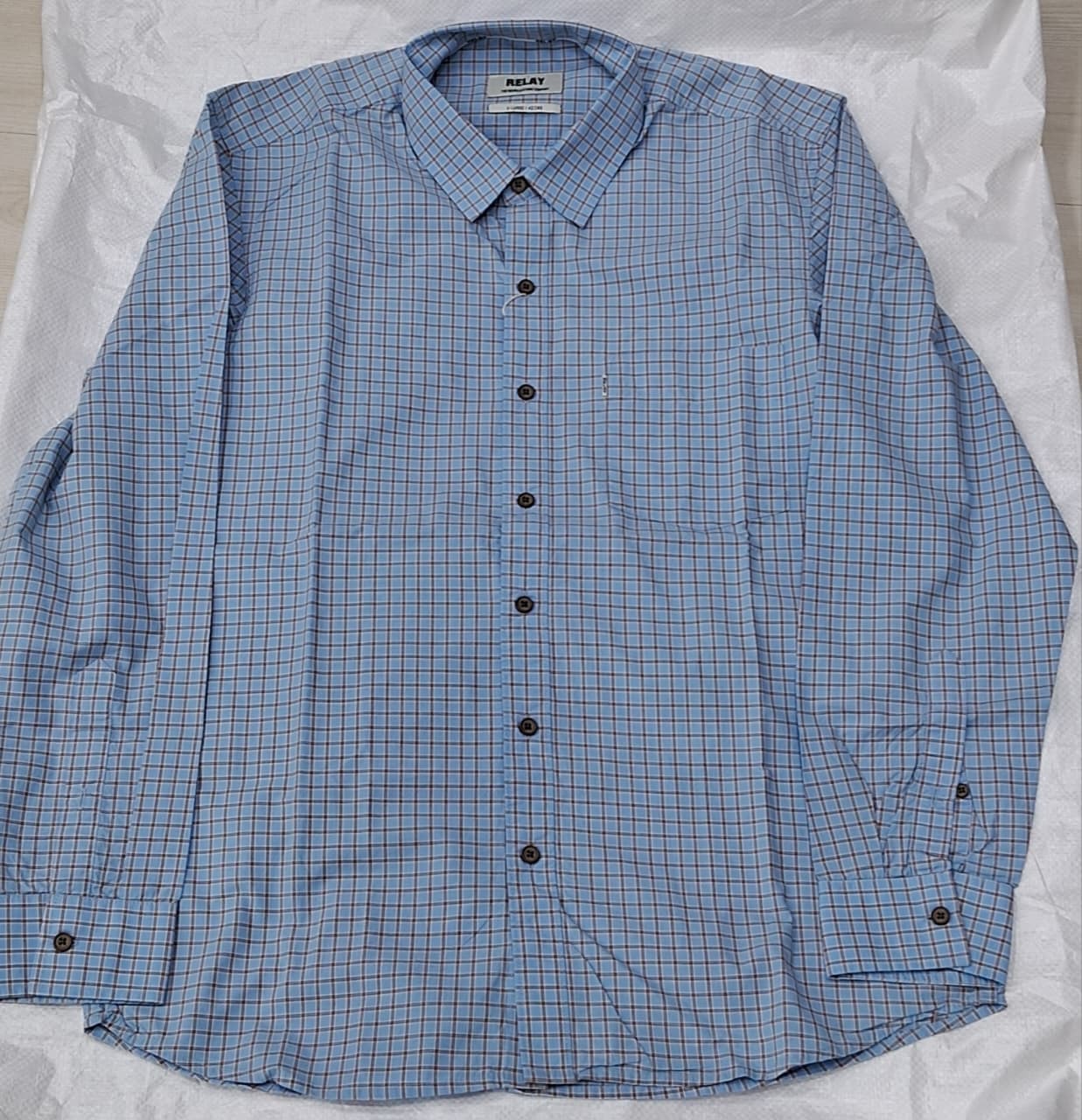
Micro check
Reads as a solid from across the room and as texture up close.
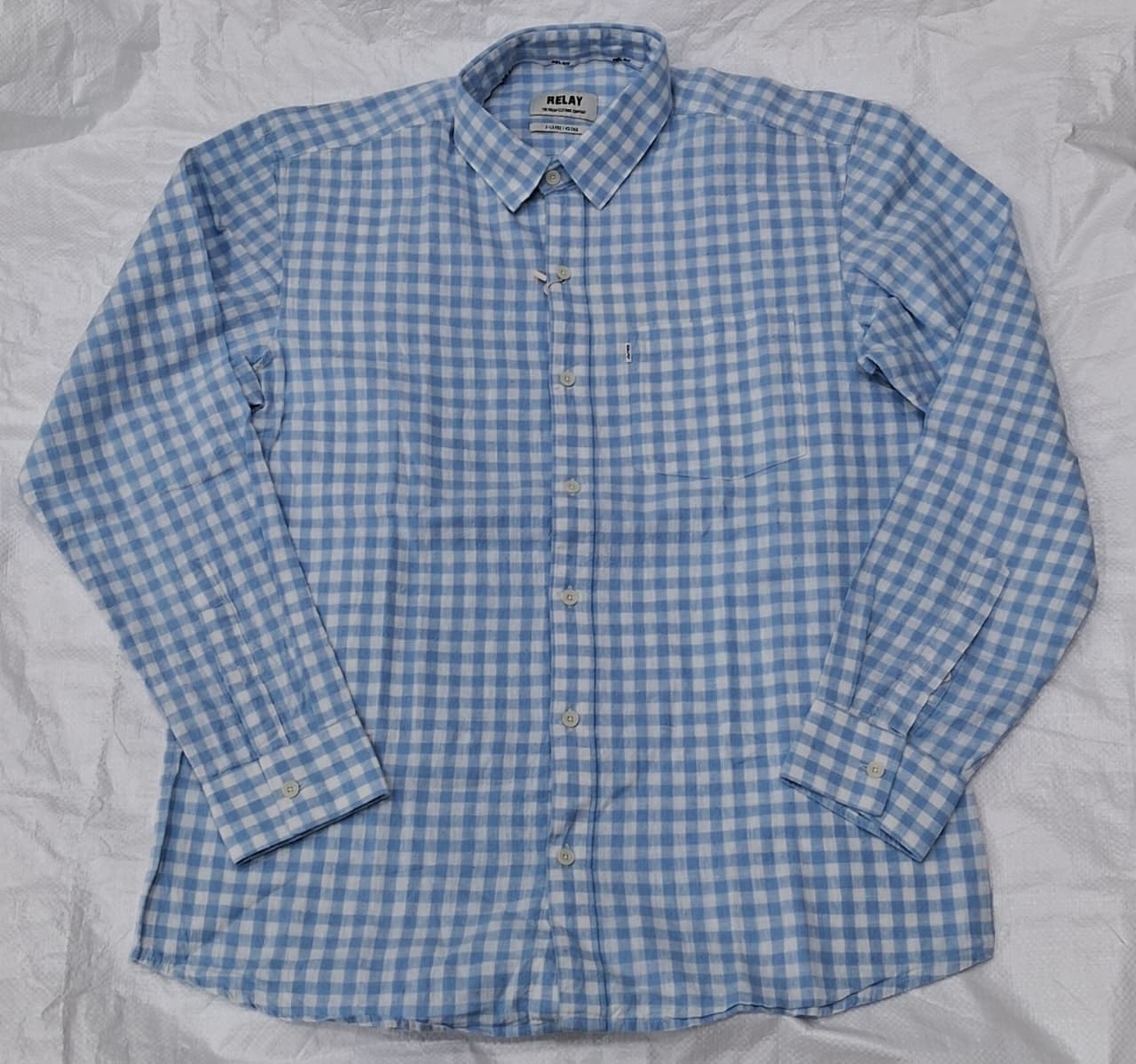
Classic check
A slightly bolder check for meetings without a tie.
V.
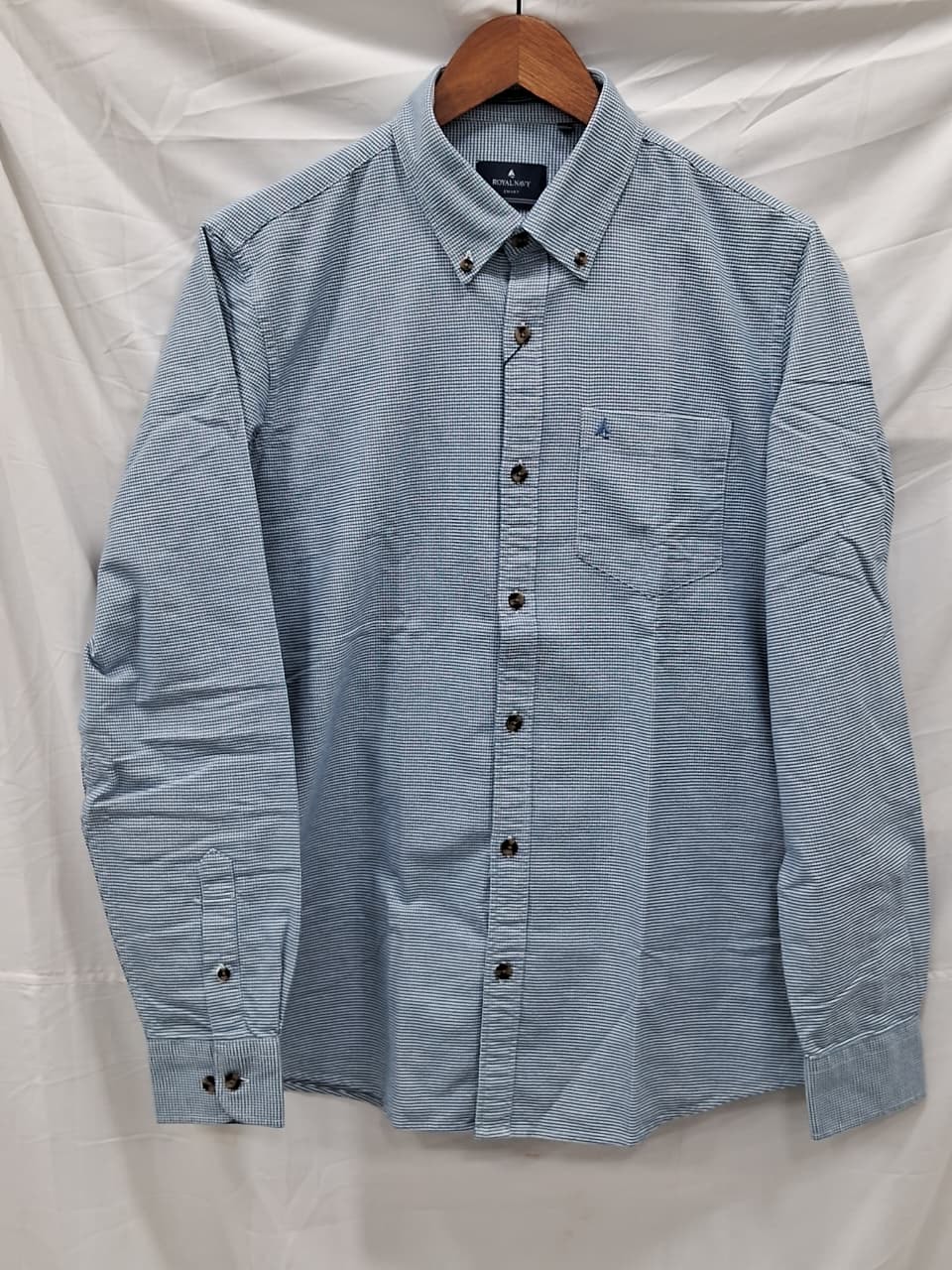
Traditional collars
Point collar — narrow spread, long points; the most traditional business collar and flattering on rounder faces.
Spread collar — wider opening for a fuller tie knot; formal and balanced.
Button-down collar — points fastened to the shirt front; born for sport, now a softer office classic best worn without a tie or with a knitted one.
VI.
Cuff variations
Barrel cuff — buttoned, simple and practical; the everyday standard.
Mitred cuff — a barrel cuff with an angled corner, slightly dressier.
French cuff — folded back and fastened with cufflinks; reserved for the most formal occasions.
In each case, about a centimetre of cuff should show beyond the jacket sleeve.
VII.
Classic button arrangements
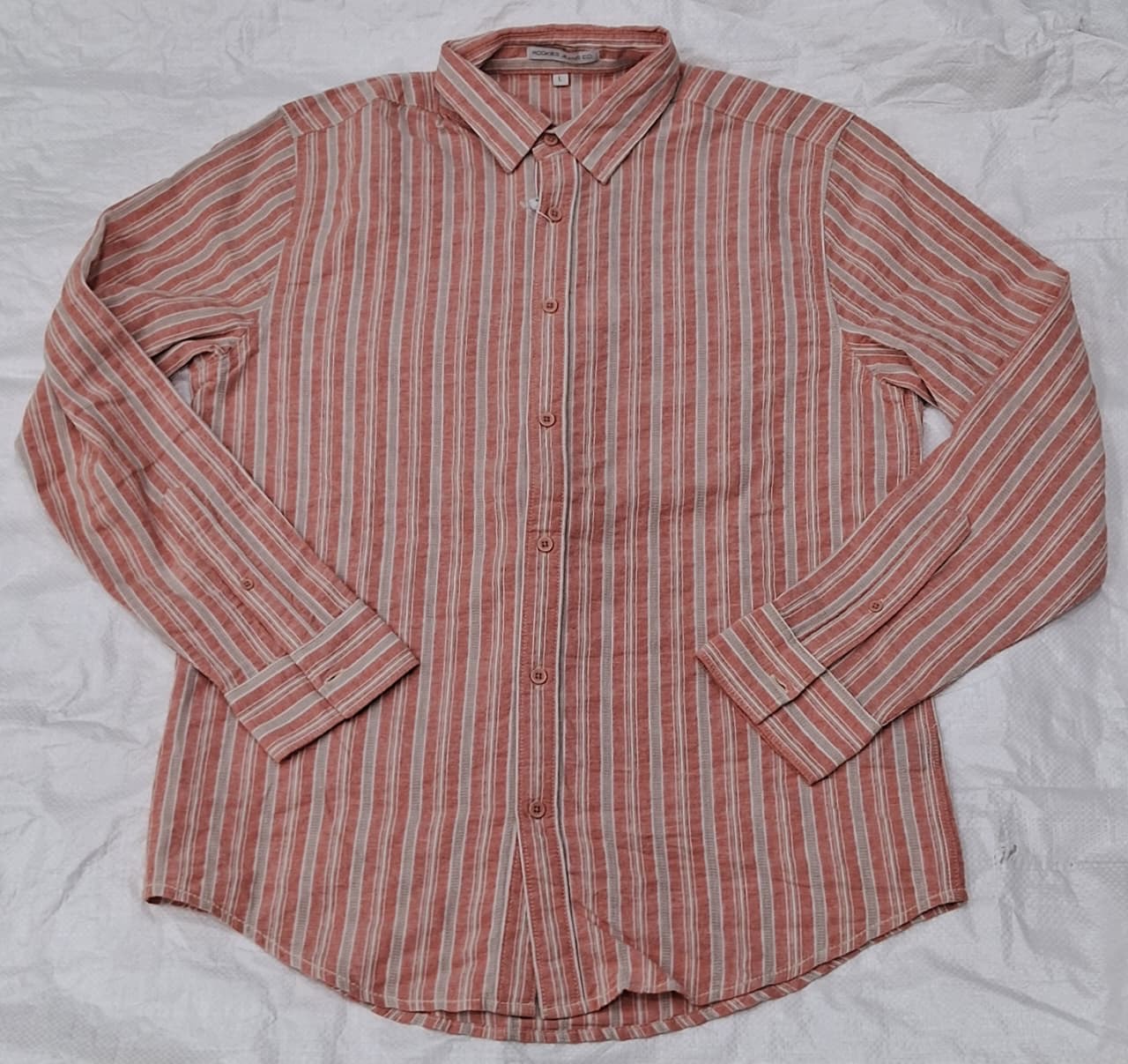
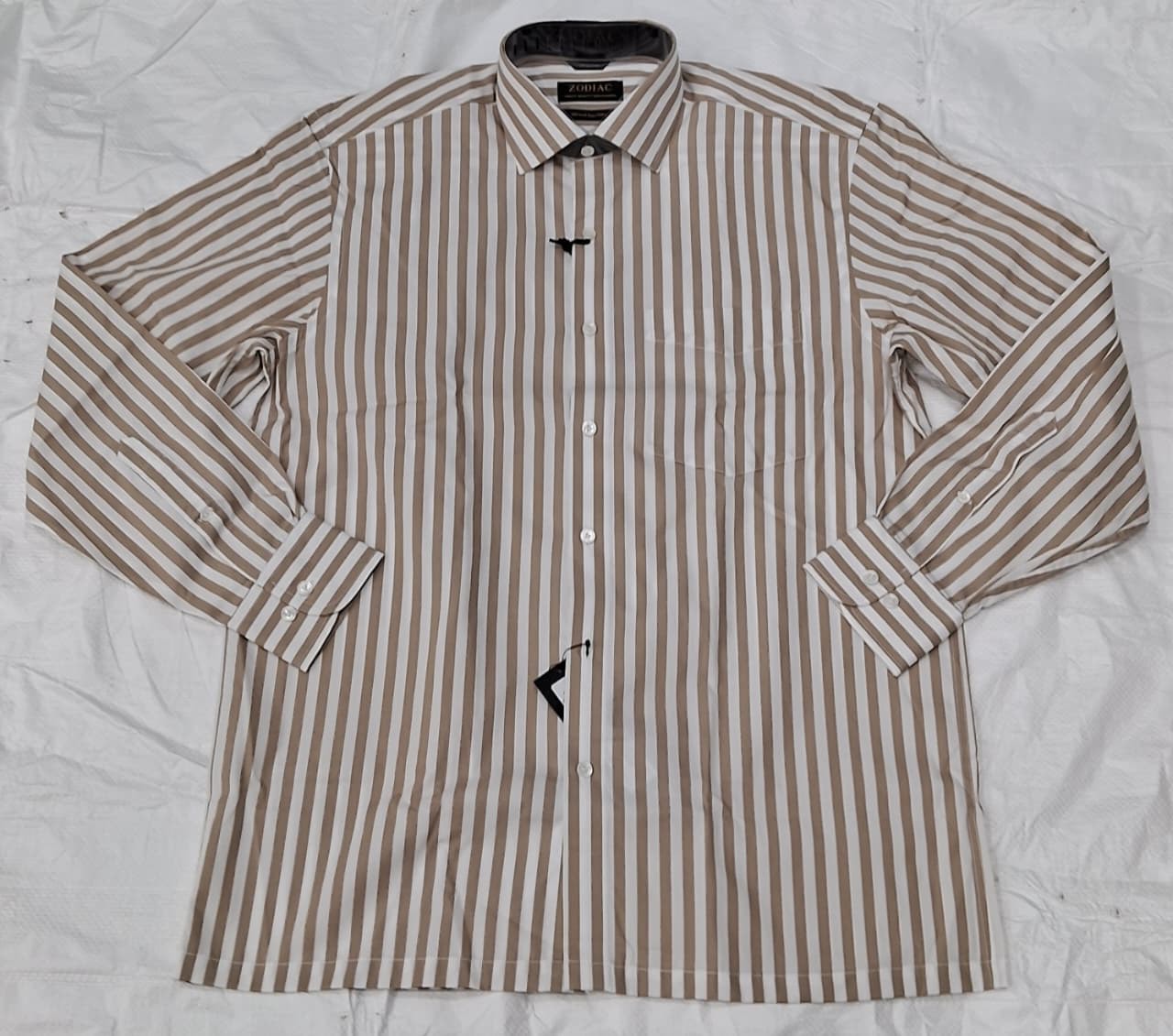
A classic formal shirt typically carries seven to eight front buttons, evenly spaced so the placket stays flat. A small button on the sleeve placket closes the gap above the cuff, and spare buttons are often sewn inside.
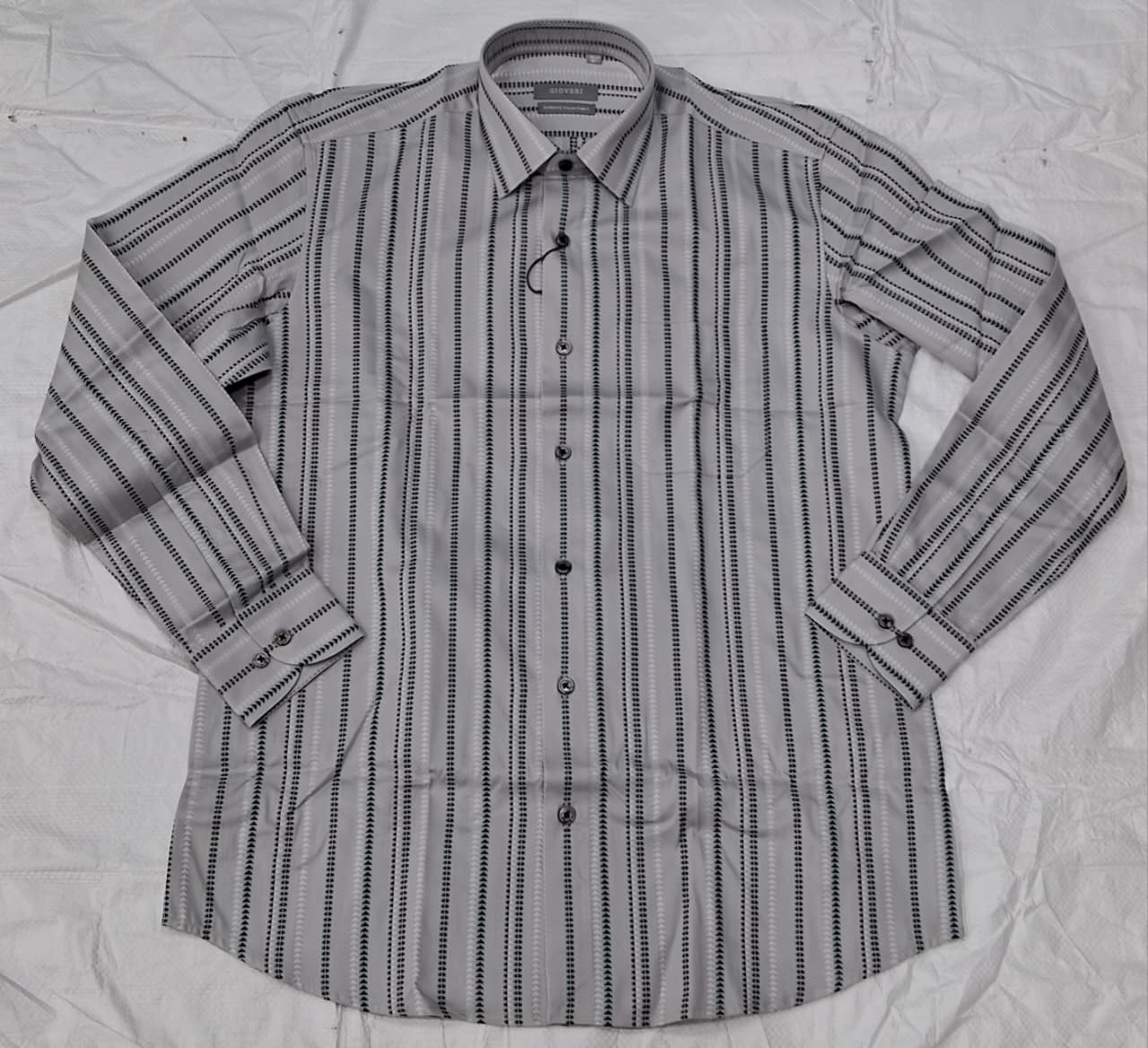
Button colour is a quiet choice: tonal buttons disappear into the cloth, while contrast buttons — as here, on an ivory stripe — make the placket a deliberate vertical line.
VIII.
Timeless professional styling
Classic shirts remain relevant in contemporary workplaces because they solve problems: they are appropriate in almost any room, they coordinate effortlessly, and they never date a photograph. Wear a white or light blue shirt with navy or charcoal tailoring for interviews and client meetings; switch to a fine stripe with grey trousers for everyday office wear; drop the tie and keep the collar crisp for business-casual Fridays.
The classic shirt is not old-fashioned. It is simply finished.