S.01#F8F8F4
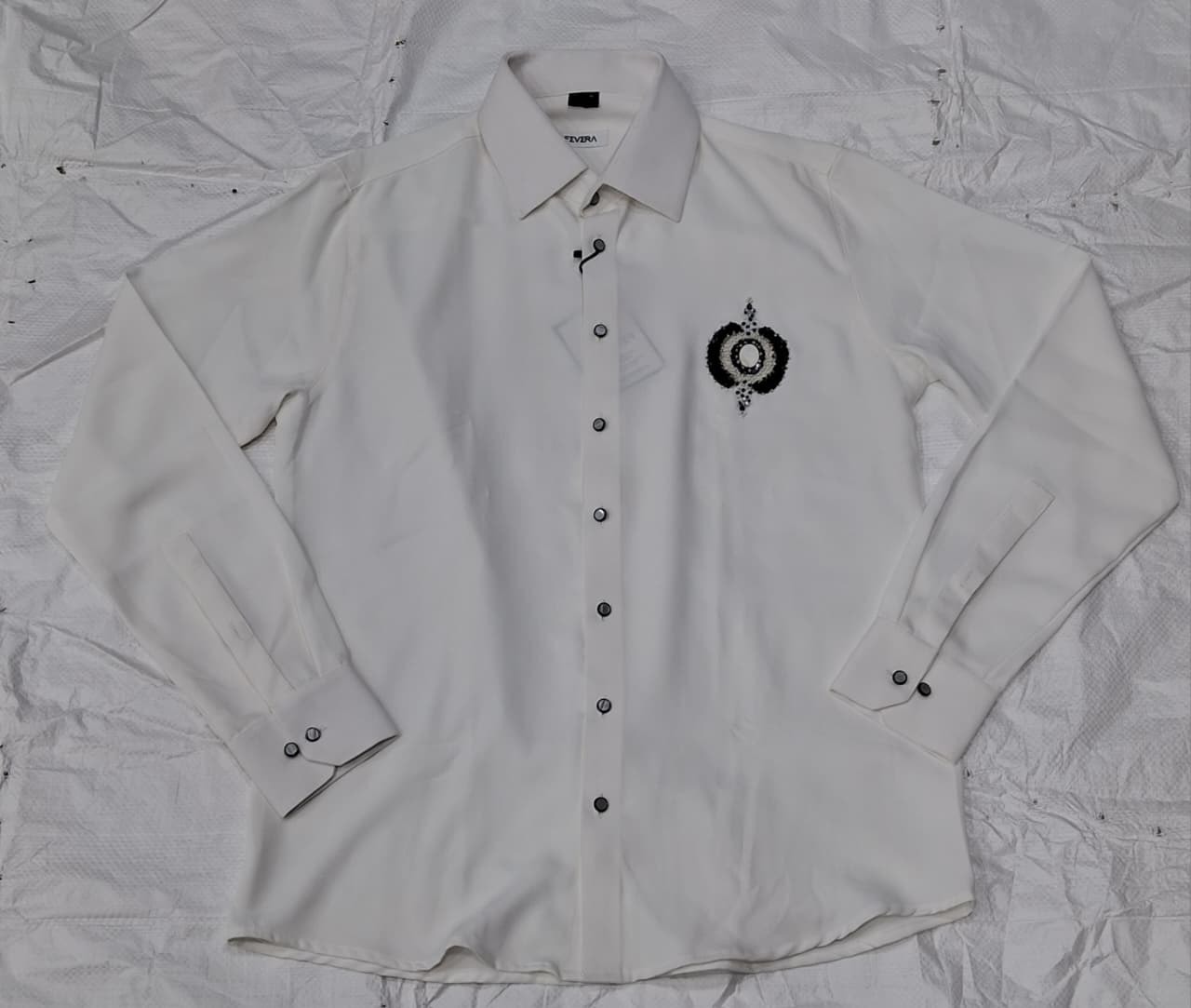
White
The most formal shirt colour. It suits every suit, tie and occasion, and is the safest choice for interviews and ceremonies.
Gallery E · Colour Study
A formal shirt's colour is read before its cut, its fabric or its collar. Learn the palette, understand the patterns, and every combination becomes easier.
Study I · Solid Colours
Solid colours are the backbone of a formal wardrobe. Lighter solids are the most formal and most versatile; darker solids carry more authority and are best balanced with lighter trousers or jackets.
The most formal shirt colour. It suits every suit, tie and occasion, and is the safest choice for interviews and ceremonies.
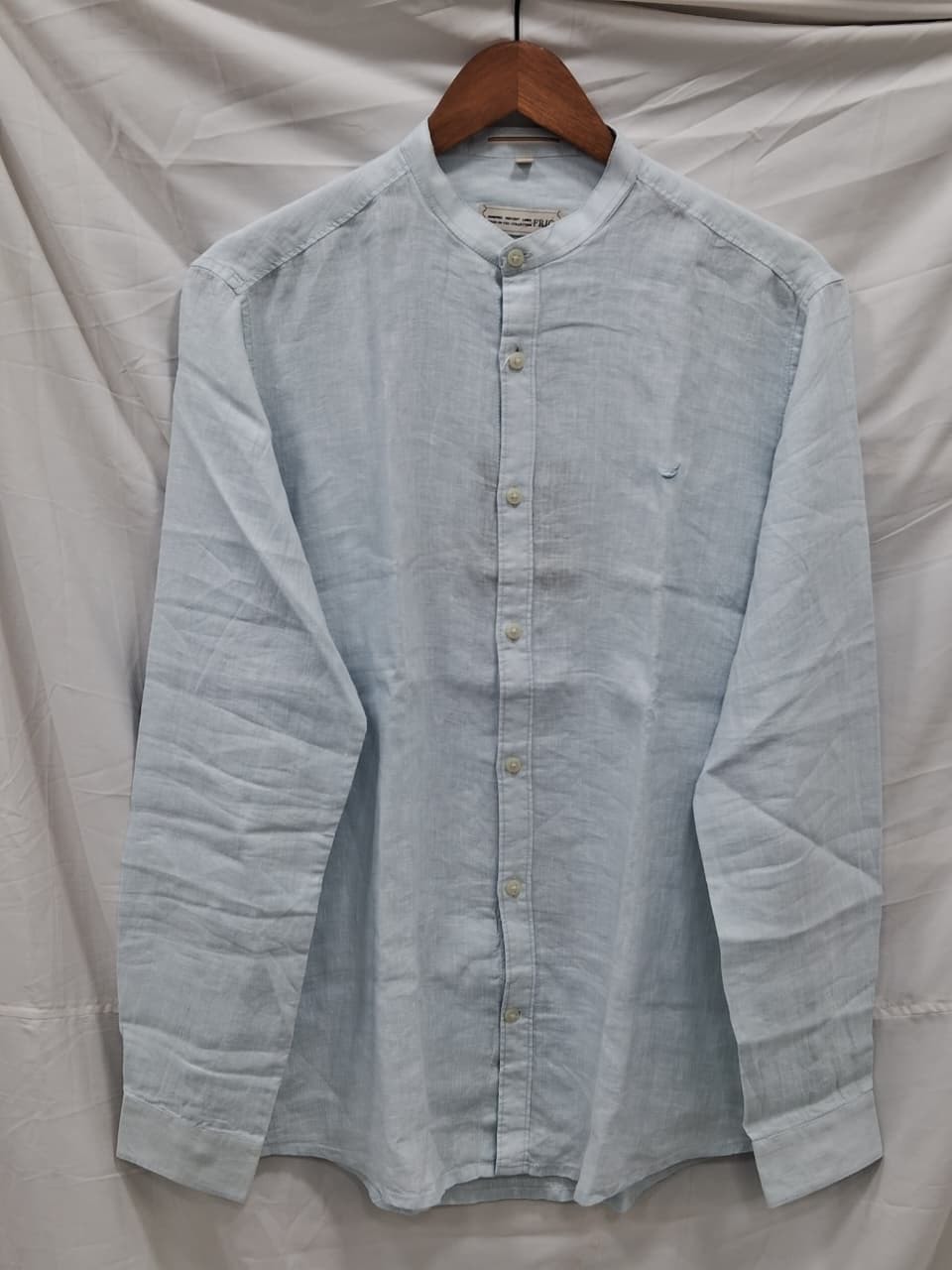
The everyday professional colour. Pale blue flatters most complexions and pairs with navy, grey and beige.
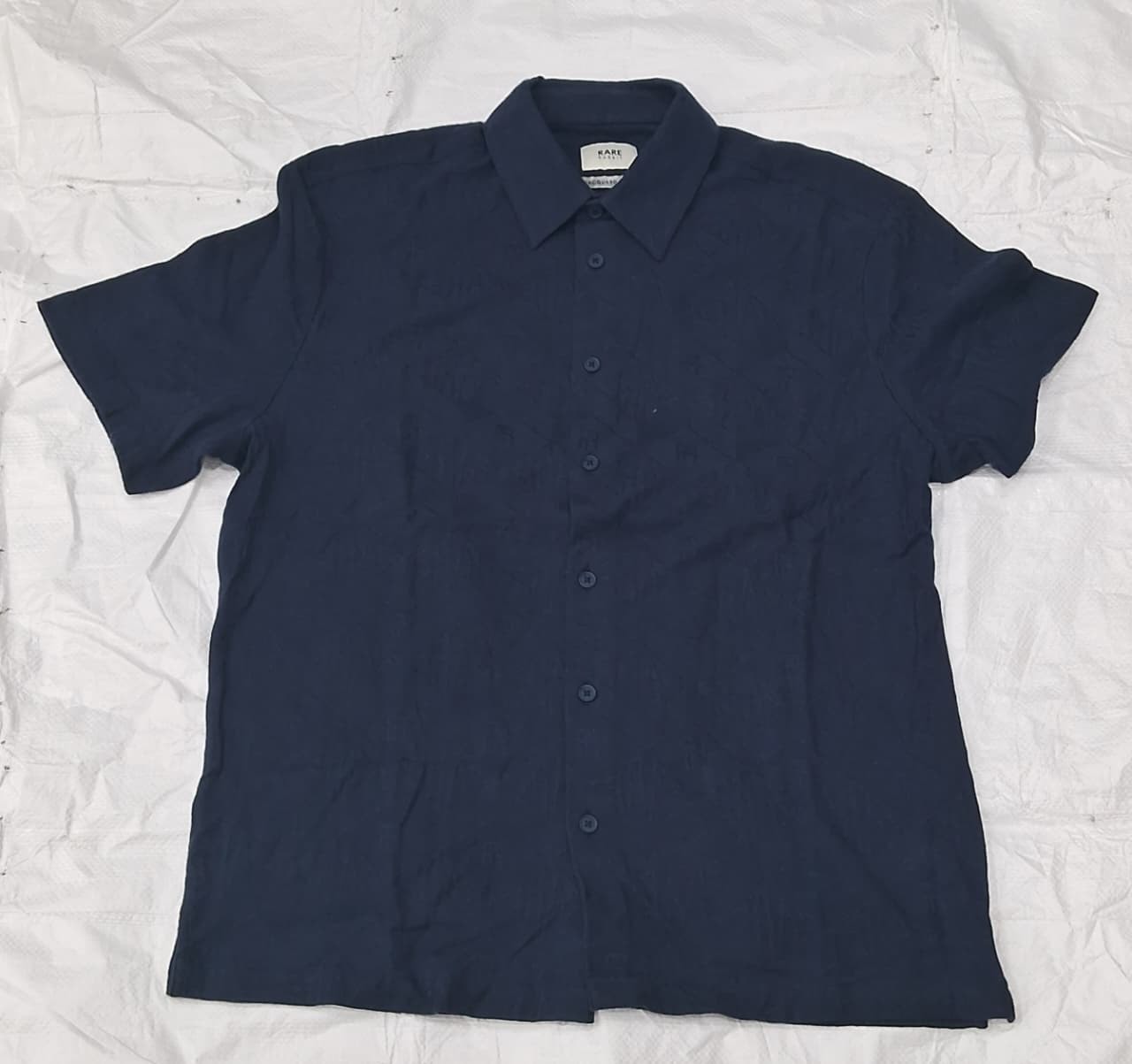
Deep and calm. Navy shirts work best with grey, stone or beige trousers rather than navy suits.
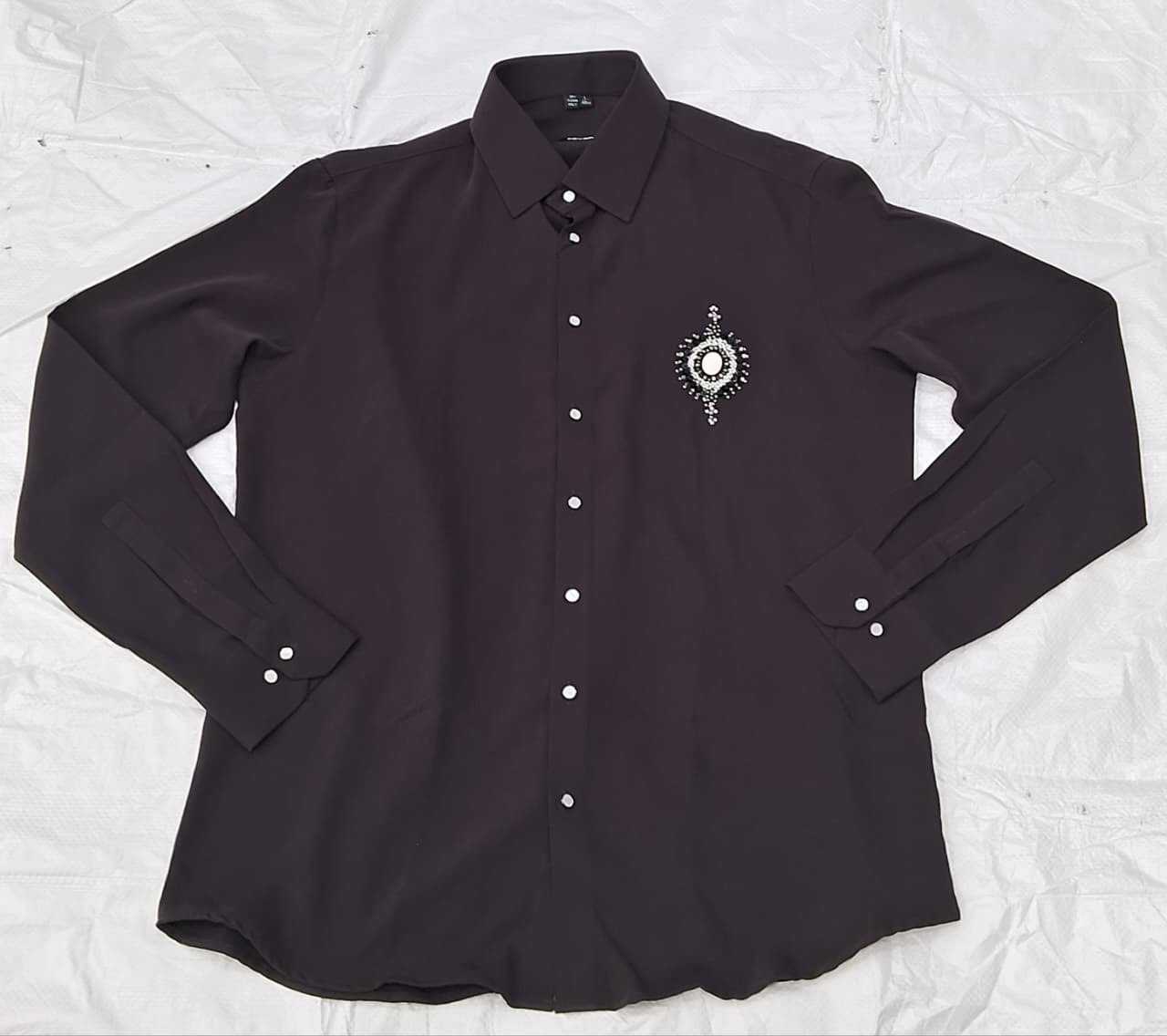
An evening colour. Strongest with charcoal or black tailoring; keep accessories minimal.
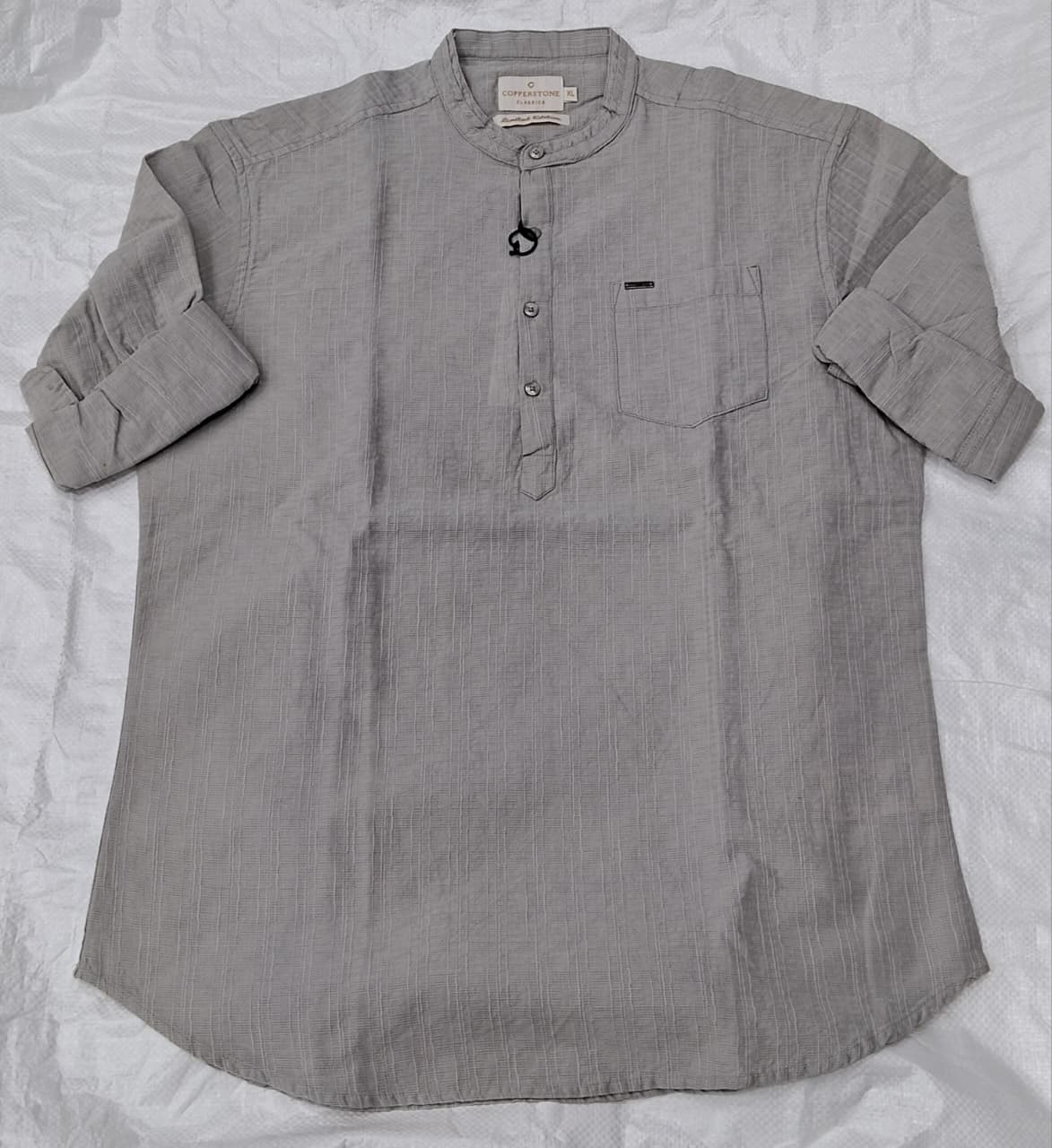
A measured neutral that sits between light and dark. Excellent with navy trousers.
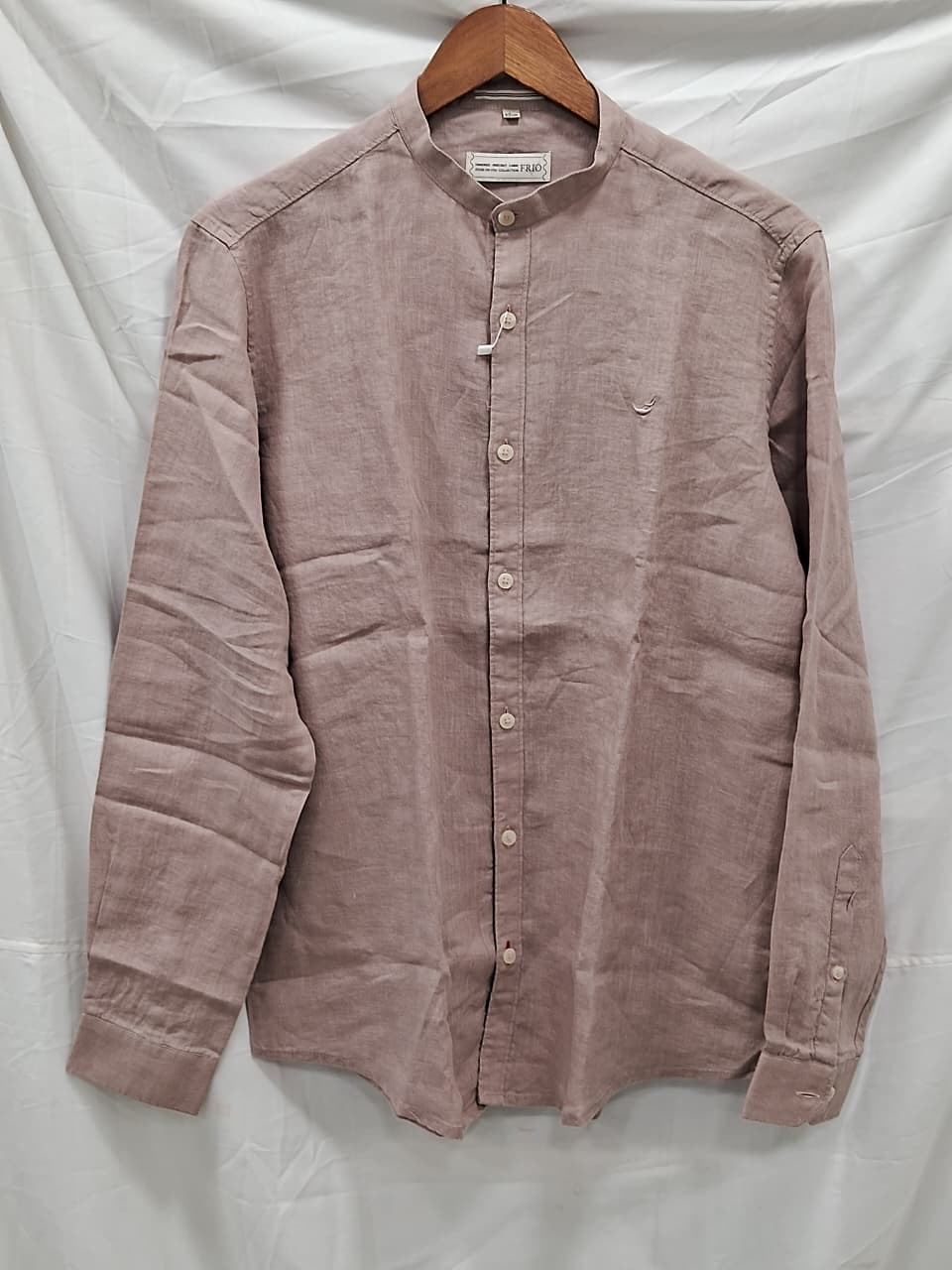
Pastels bring warmth to daytime dressing and pair especially well with navy and grey.
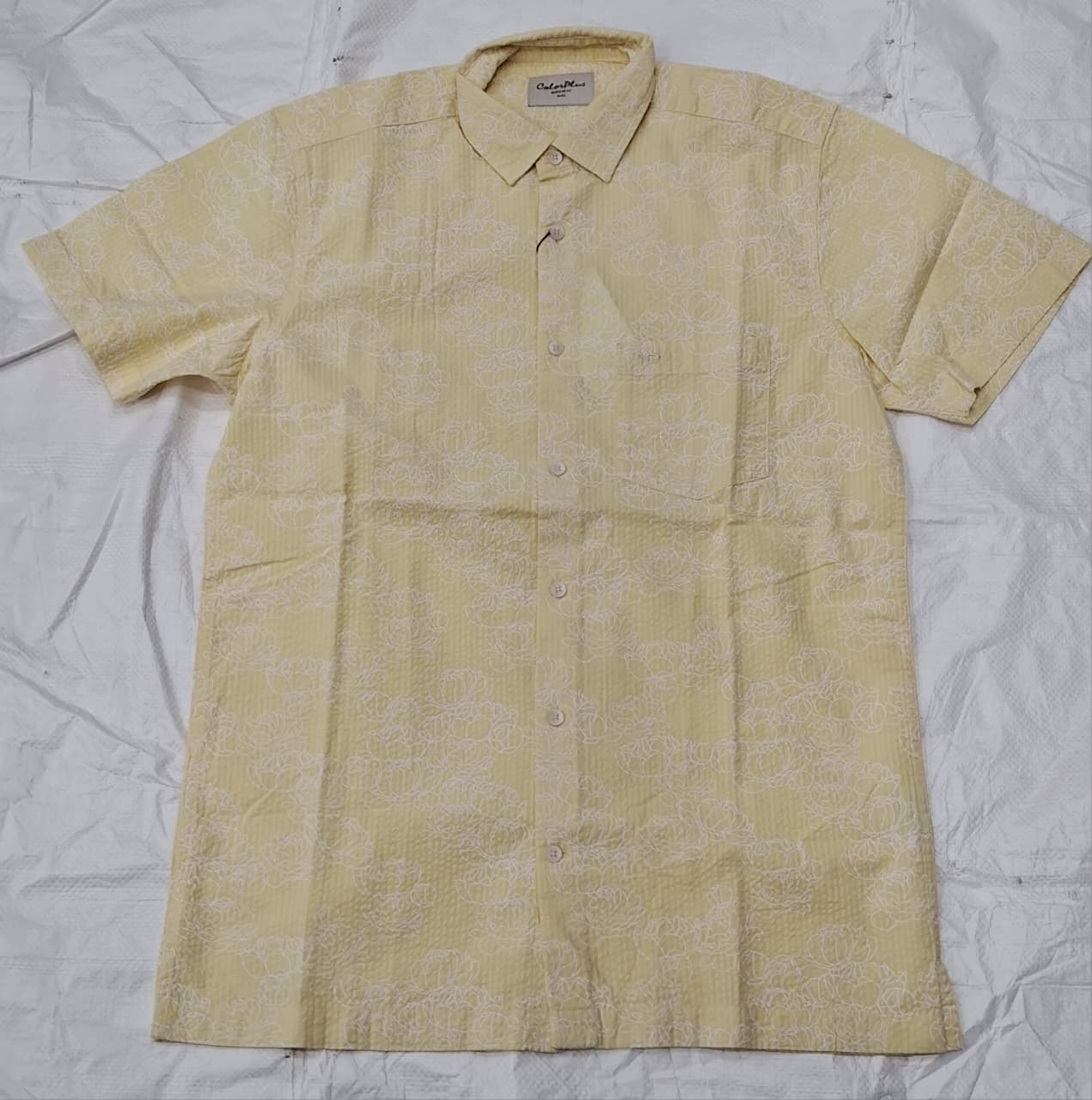
A soft, sunny pastel for summer offices — keep the trousers neutral.
Study II
Vertical stripes lengthen the figure and add structure. The finer and closer the stripe, the more formal the shirt.
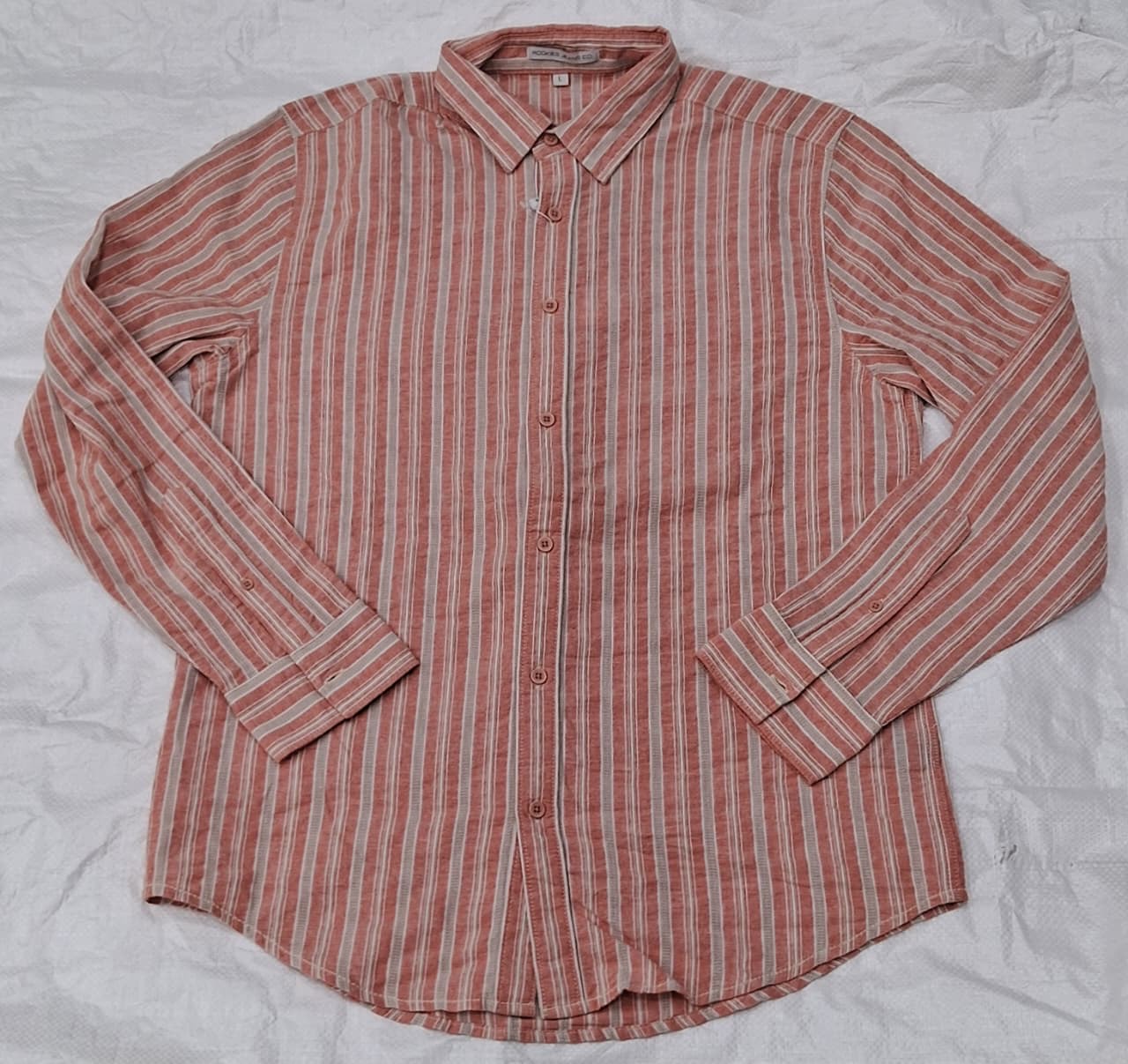
Hairline and pencil stripes read almost as a solid — ideal for business settings and easy to pair with patterned ties.
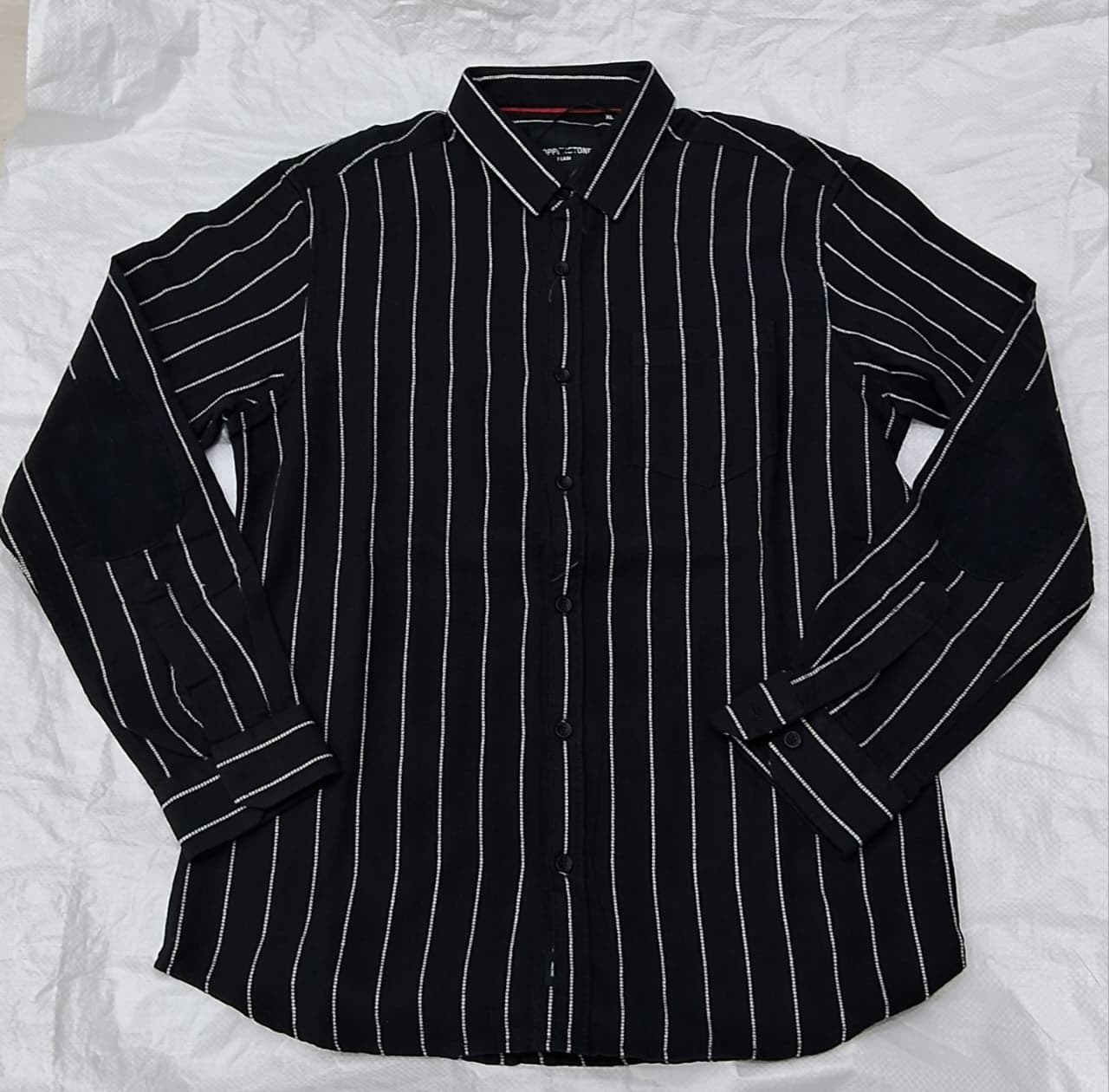
Wider, high-contrast stripes make a statement; wear them with plain trousers and no competing pattern.
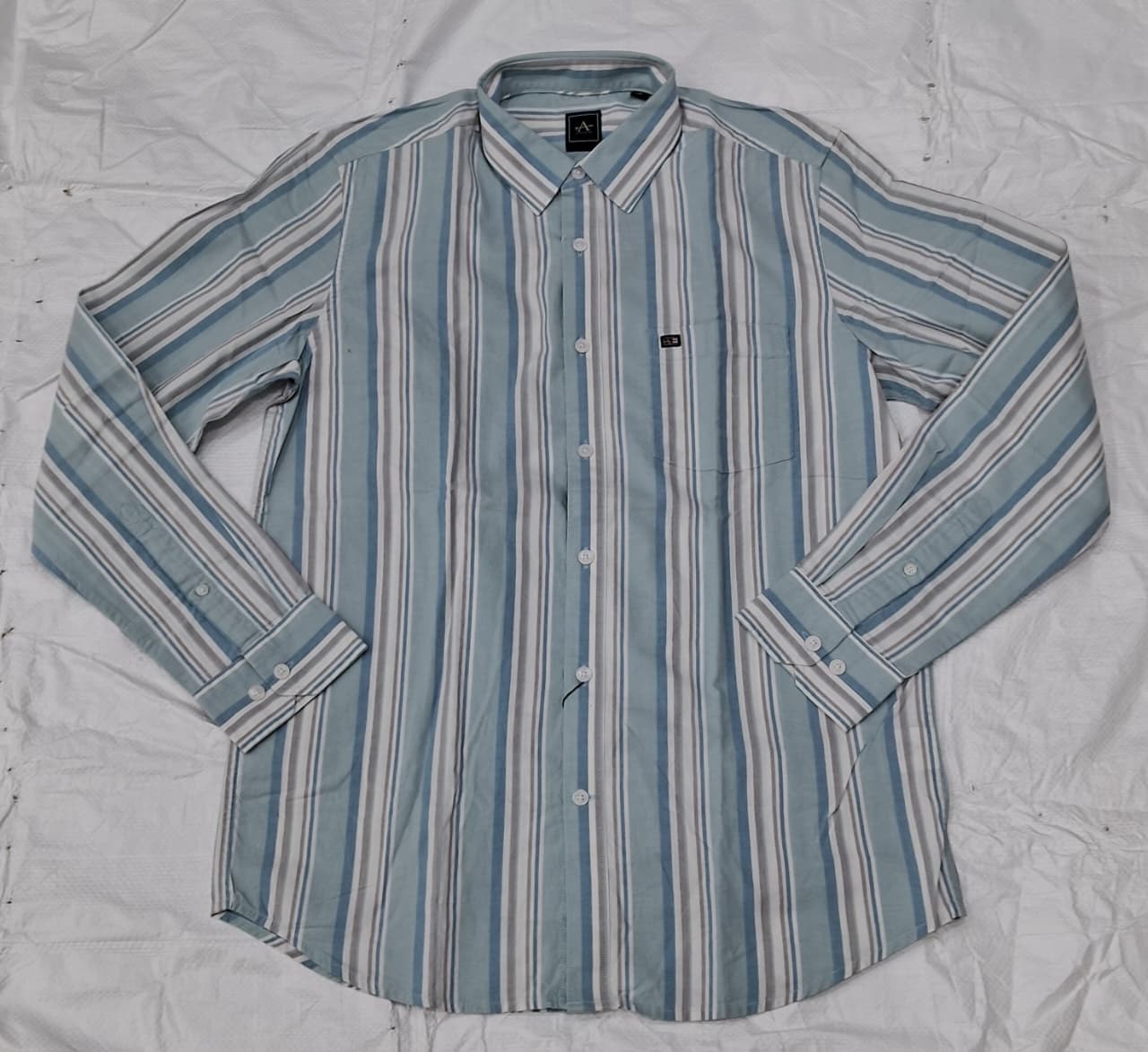
Multi-tone and irregular stripes introduce colour while keeping a vertical, orderly rhythm.
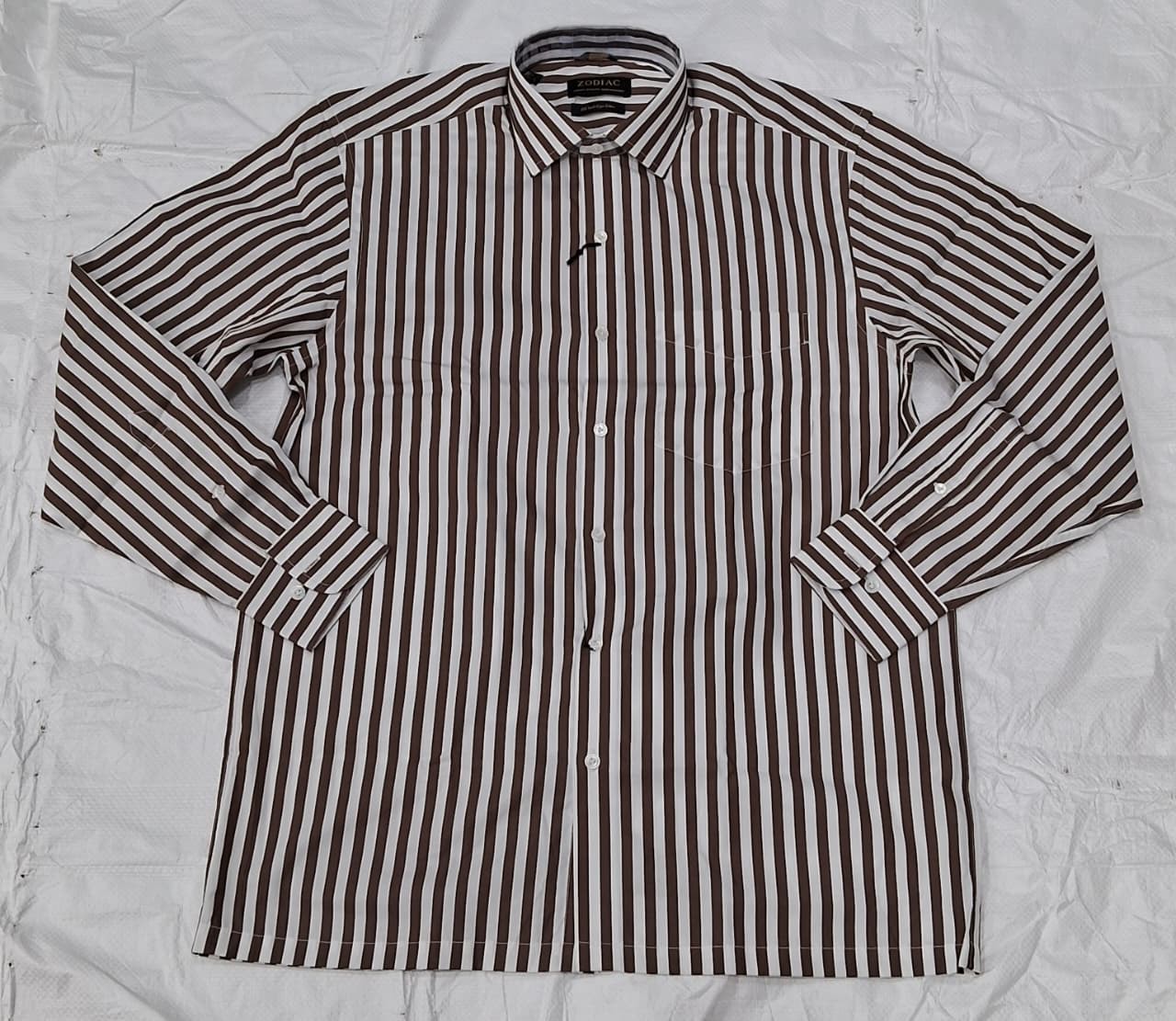
Brown and white stripes pair naturally with beige, olive and navy for relaxed business wear.
Study III
Checks are slightly less formal than stripes. Keep them small and low-contrast for the office; save bolder grids for business-casual days.
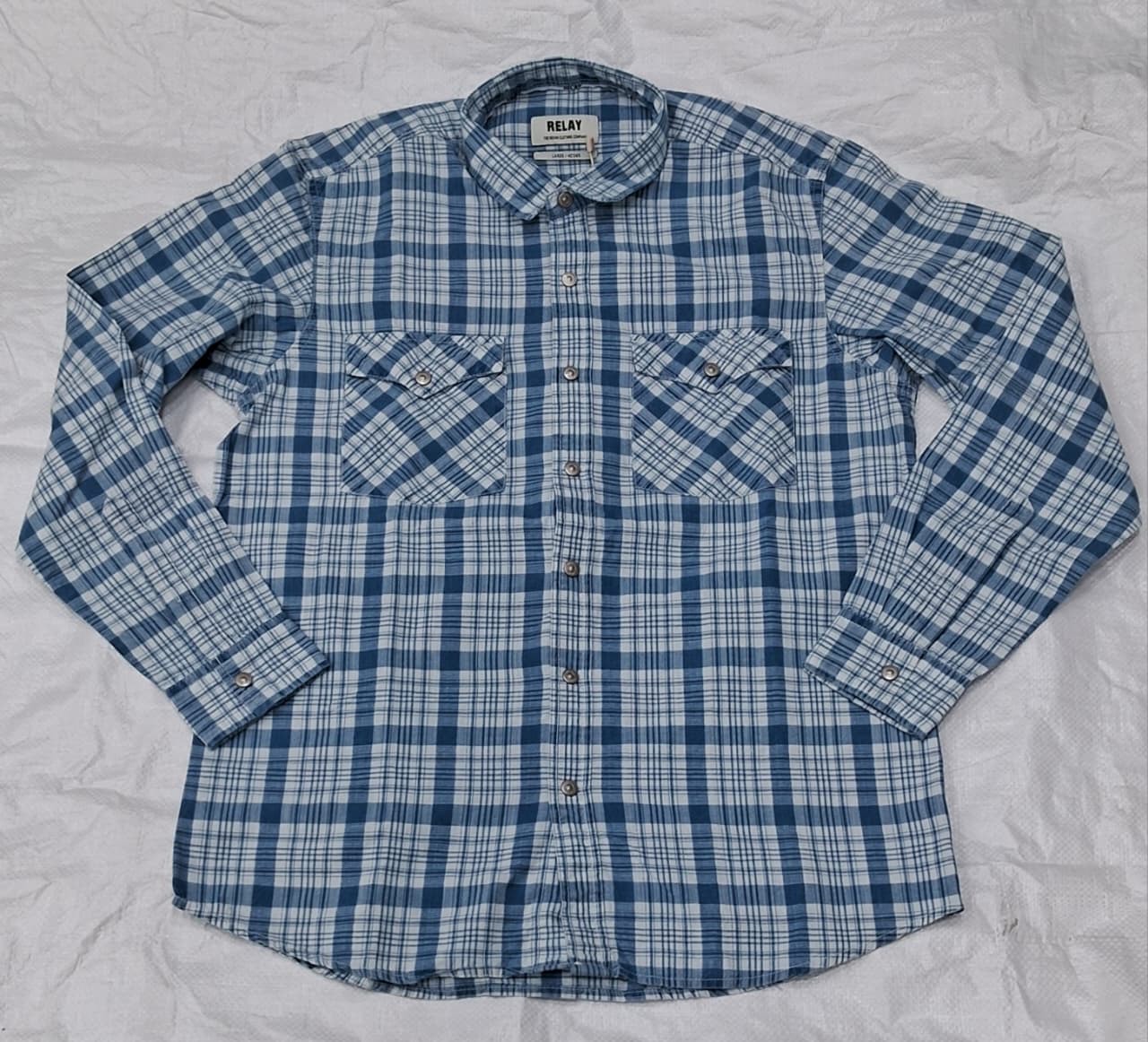
The most professional check — blue and white work with navy, grey and beige.
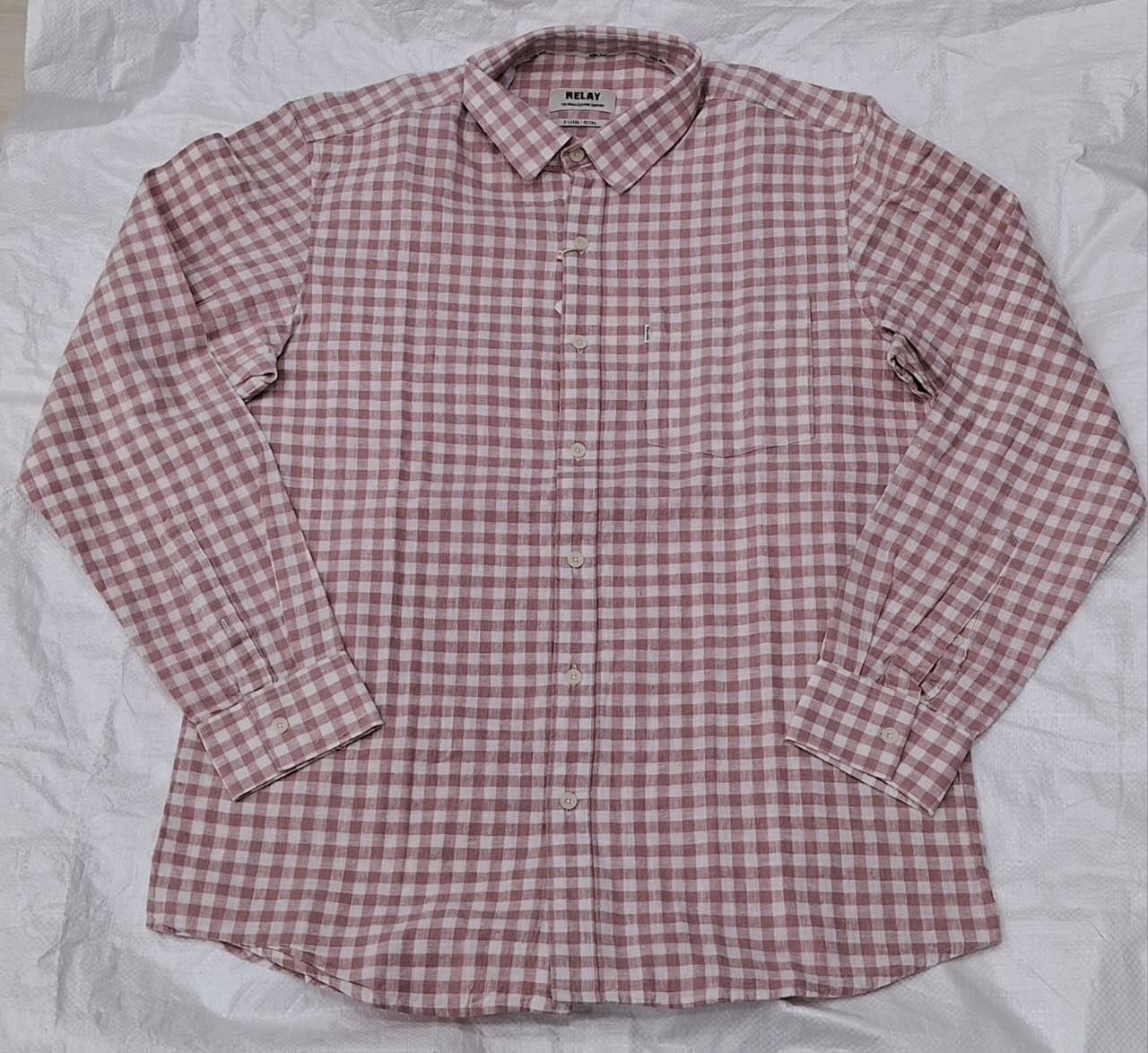
A soft pink check is quiet enough for meetings and adds warmth under a grey jacket.
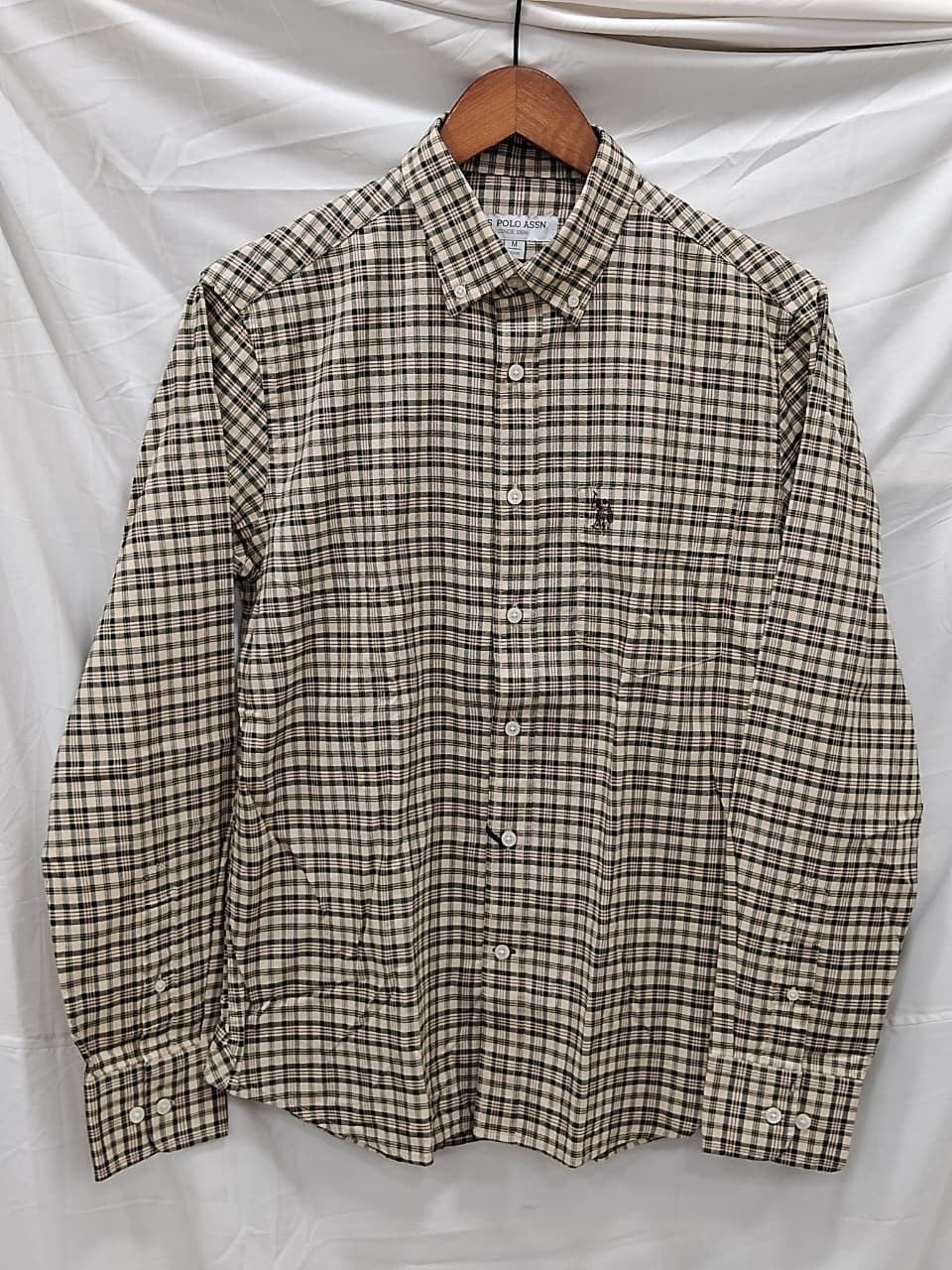
Tan and cream checks blend with earth-tone trousers for relaxed professional looks.
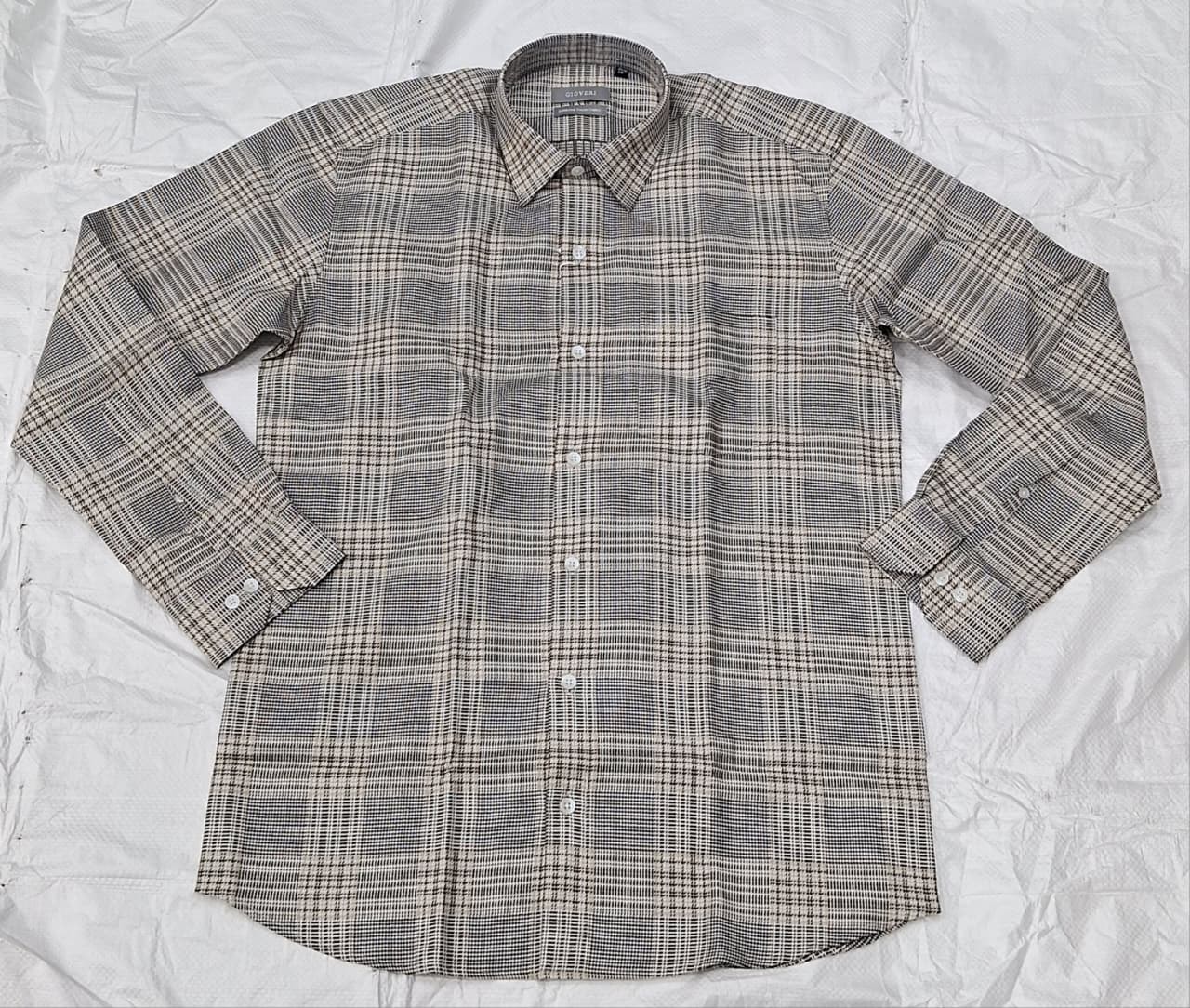
Pair a check shirt with a solid jacket and solid trousers, so the pattern has space to breathe.
Study IV
Understated textures — dobby weaves, micro prints, slubbed surfaces — add depth without reading as a pattern from a distance.
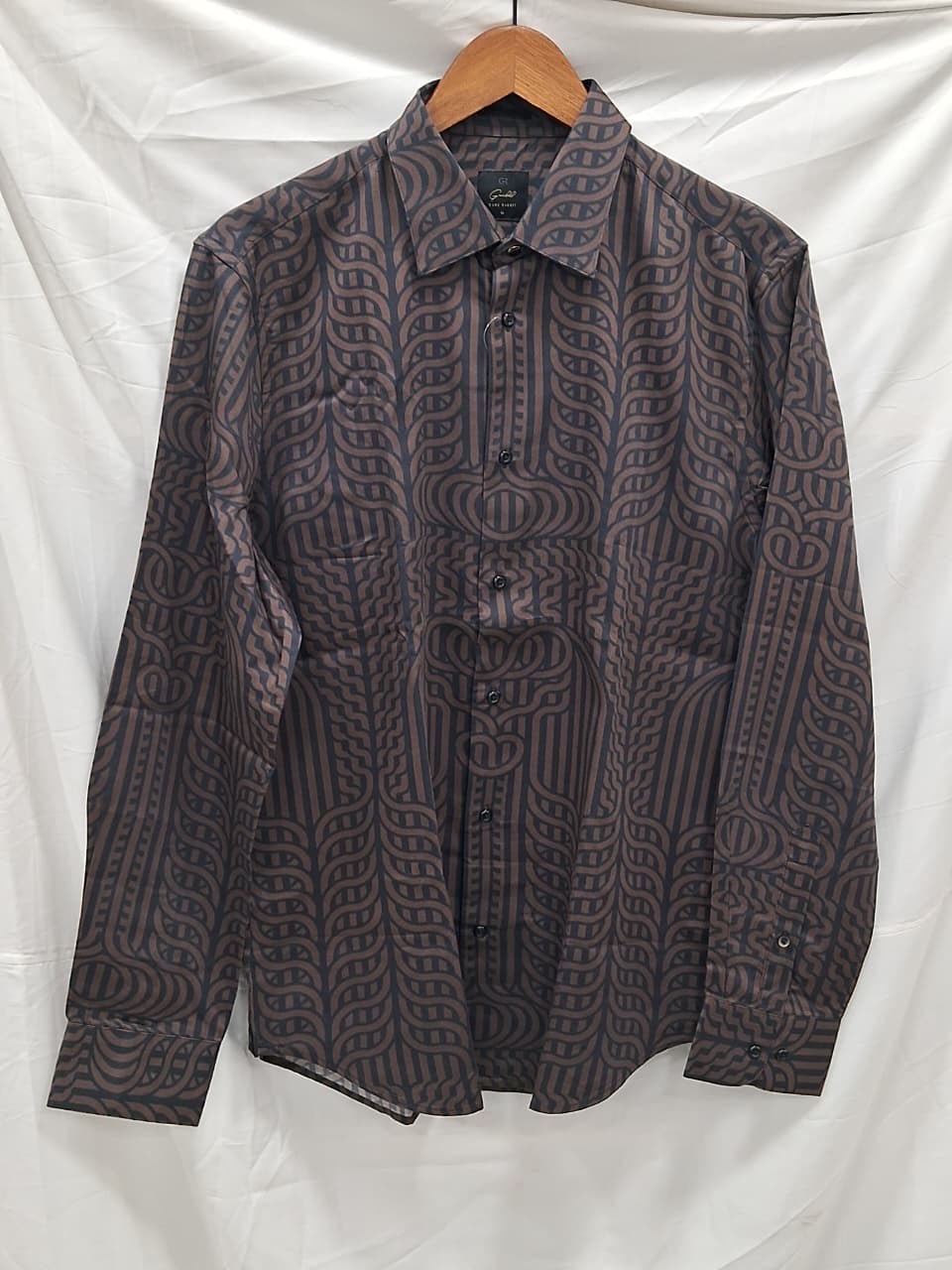
A tiny repeat that softens a deep colour and hides creases.
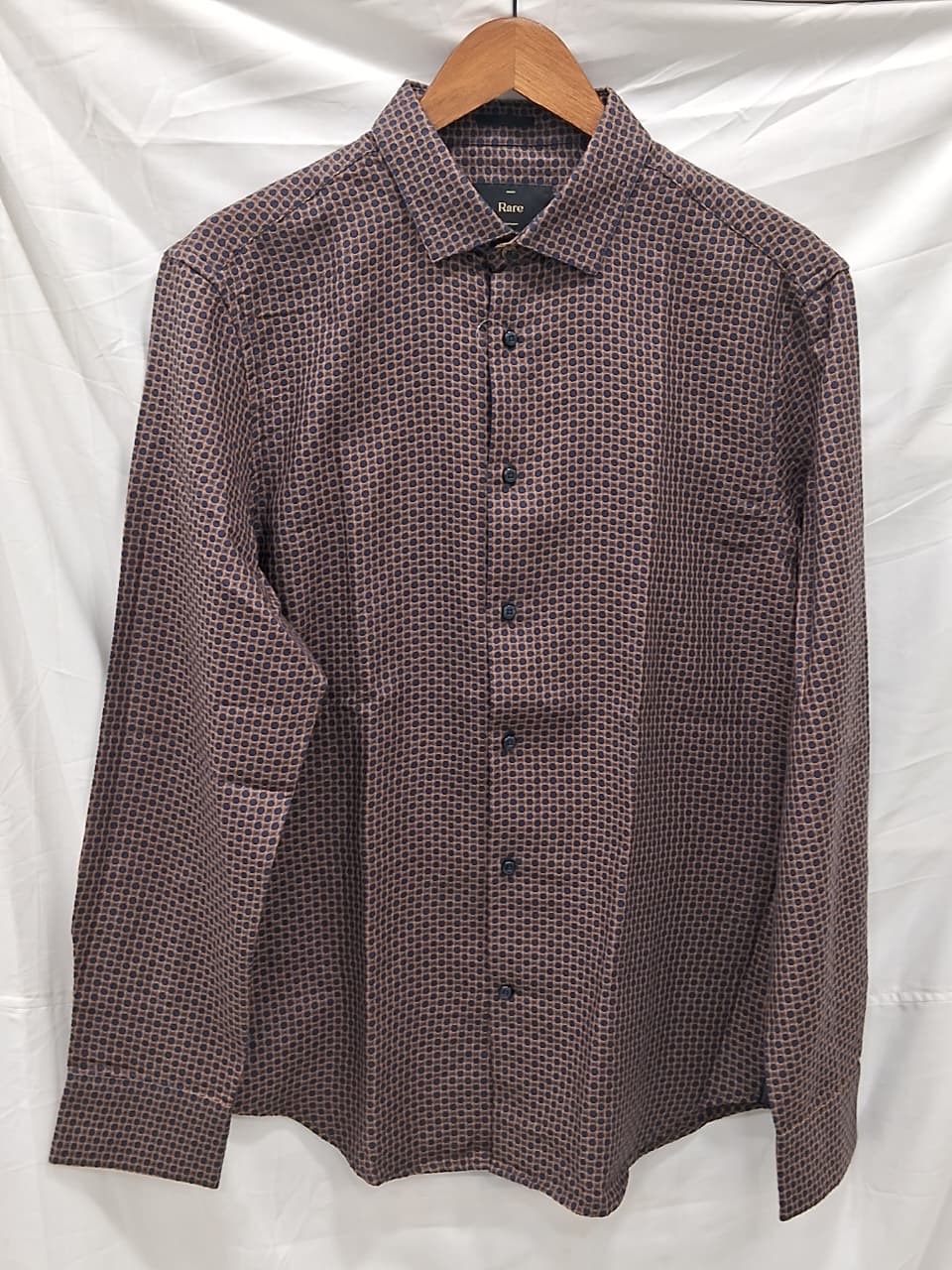
A small geometric motif reads as texture across a meeting room.
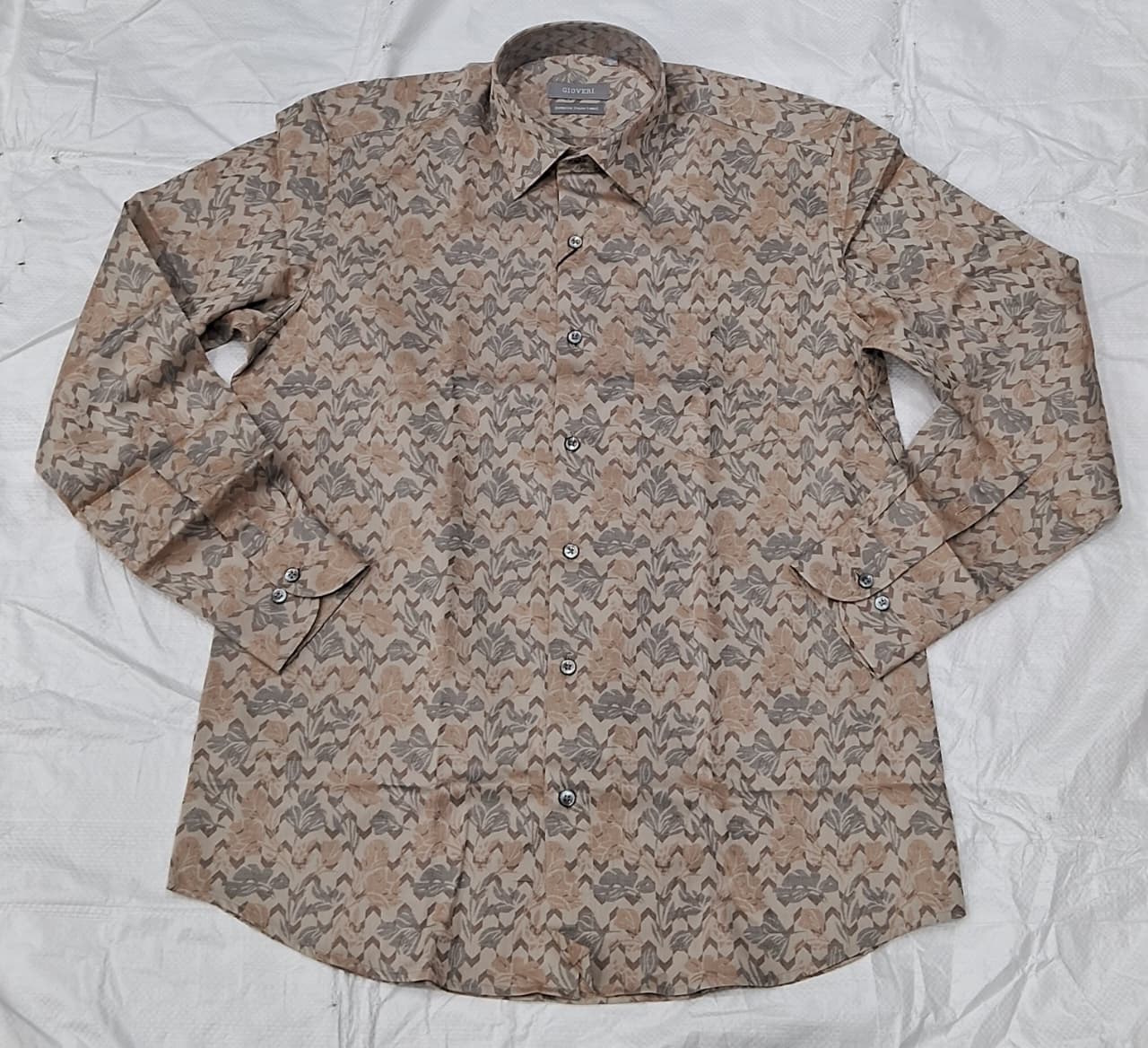
Neutral micro prints suit relaxed business wear with plain trousers.
Study V · Colour Coordination
A quick reference for pairing shirt colours with the five most common formal trouser colours. These are dependable starting points — personal colouring and the occasion always come first.
| Shirt ↓ Trouser → | Navy | Charcoal | Mid grey | Beige | Black |
|---|---|---|---|---|---|
| White | |||||
| Light blue | |||||
| Navy | |||||
| Grey | |||||
| Black | |||||
| Pastels | |||||
| Fine stripes | |||||
| Checks |
Study VI · Principles
Build outfits around contrast: a light shirt with darker trousers is the classic formula. Keep the number of strong colours to two, and let neutrals fill the rest.
Interviews and ceremonies favour white or light blue. Everyday office wear welcomes stripes and small checks. Evenings allow deeper solids such as navy, plum or black.
A navy blazer welcomes almost every shirt colour. With grey jackets, try white, blue or pink. With patterned jackets, choose a solid shirt.
Combine patterns of different scales — a fine-striped shirt with a broader-striped tie — and keep at least one element of the outfit solid.
White, light blue and a fine blue stripe together pair with navy, grey and beige trousers — nine outfits from three shirts and three trousers.
Higher contrast between hair and skin suits stronger contrast in clothing; softer colouring suits softer, tonal combinations.